Volcanoes, Rainforests, and Coasts: Diverse Ecosystems Across Tanzania and the Galapagos
 Lester Ortiz
From the volcanic craters of Tanzania’s highlands to the lush rainforests and marine coasts of the Galapagos Islands, these two remarkable regions offer a rich tapestry of ecosystems and wildlife diversity. Whether you’re a nature enthusiast or a seasoned traveler, exploring these unique habitats provides insights into the beauty and resilience of our planet’s ecosystems. Here, we’ll dive into the three main environments that define Tanzania and the Galapagos Islands, showcasing what makes each one a must-see for those seeking a truly immersive adventure in nature.
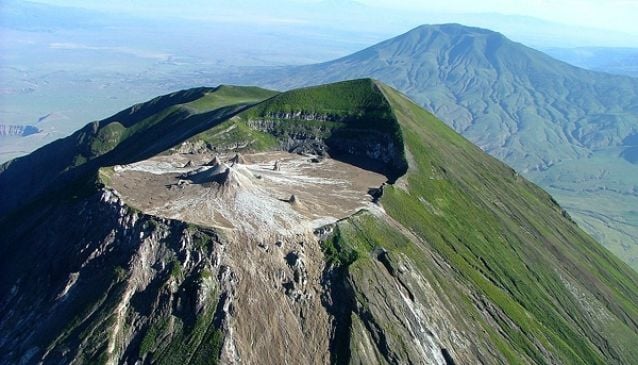
The Volcanic Highlands: Exploring Unique Geological Formations
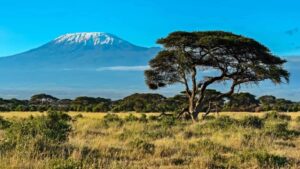
Tanzania’s volcanic regions, including the Ngorongoro Crater and Mount Kilimanjaro, are famous for their breathtaking landscapes and geological wonders and you can get an opportunity to see them on any luxury safari in Tanzania. The Ngorongoro Crater, formed by a collapsed volcano, is one of the world’s largest intact volcanic calderas and serves as a natural sanctuary for diverse wildlife, including lions, rhinos, elephants, and zebras. The area’s fertile volcanic soil supports lush vegetation, providing ample grazing grounds for herbivores and attracting a variety of predators.
In the Galapagos Islands, the volcanic terrain is equally impressive, with islands like Isabela and Fernandina shaped by active volcanic activity. The islands’ rugged lava fields and craters create an otherworldly landscape that supports unique flora and fauna, including the famous giant tortoises and marine iguanas. Exploring these volcanic highlands gives visitors a glimpse into the earth’s powerful geological processes, shaping land that has fostered life forms found nowhere else on the planet.
Rainforests and Woodlands: Rich Ecosystems with Diverse Wildlife
Tanzania’s rainforests and woodlands, particularly in the regions surrounding Mount Kilimanjaro and the Eastern Arc Mountains, are home to an astonishing array of biodiversity. These lush areas harbor endemic species such as the Kilimanjaro tree frog and the rare Abbott’s duiker, a shy antelope species. Rainforests in Tanzania also support some of the highest densities of bird species in Africa, making it a prime destination for birdwatchers. The rainforest ecosystems here are essential not only for wildlife but also for supporting the local communities who rely on the forests for resources and livelihood.
The Galapagos Islands also feature lush, tropical forests, particularly on the higher islands like Santa Cruz. These rainforests sustain a wealth of species adapted to the islands’ unique environment, such as Darwin’s finches, which have evolved distinct beak shapes suited to specific food sources. The forests’ dense canopy and unique climate zones create a habitat that shelters endemic plants, reptiles, and birds, making the Galapagos a fascinating destination for studying evolution and biodiversity.
Coastal Wonders: Exploring Marine Life and Coastal Habitats
The coastal areas of Tanzania, including Zanzibar and Mafia Island, are renowned for their stunning coral reefs, mangroves, and marine diversity. These coastal ecosystems are teeming with life, including vibrant coral reefs that attract snorkelers and divers worldwide. Marine parks protect these reefs, allowing fish, turtles, and other marine life to thrive. The mangroves along Tanzania’s coastline also play a crucial role in stabilizing the shorelines and providing nurseries for young fish, supporting both local fishing communities and the health of the marine ecosystem.
Similarly, the Galapagos Islands offer some of the most incredible coastal and marine ecosystems in the world. Crystal-clear waters and rocky shores are home to diverse marine species, including sea lions, penguins, and hammerhead sharks. The islands’ unique location at the intersection of several ocean currents fosters a rich marine environment, ideal for snorkeling and diving. The Galapagos coasts are particularly famous for their playful sea lions and majestic underwater experiences with giant sea turtles and colorful tropical fish, making this destination a must for underwater explorers.
From the towering volcanoes and lush rainforests to vibrant coasts, Tanzania and the Galapagos Islands offer an unmatched experience for nature lovers. Each ecosystem provides a unique opportunity to witness diverse wildlife and appreciate the rich landscapes that make these regions truly extraordinary. Whether trekking through volcanic craters, spotting rare birds in rainforests, or diving along vibrant coastlines, travelers will find themselves immersed in the wonder of nature’s resilience and beauty.