 Lester Ortiz
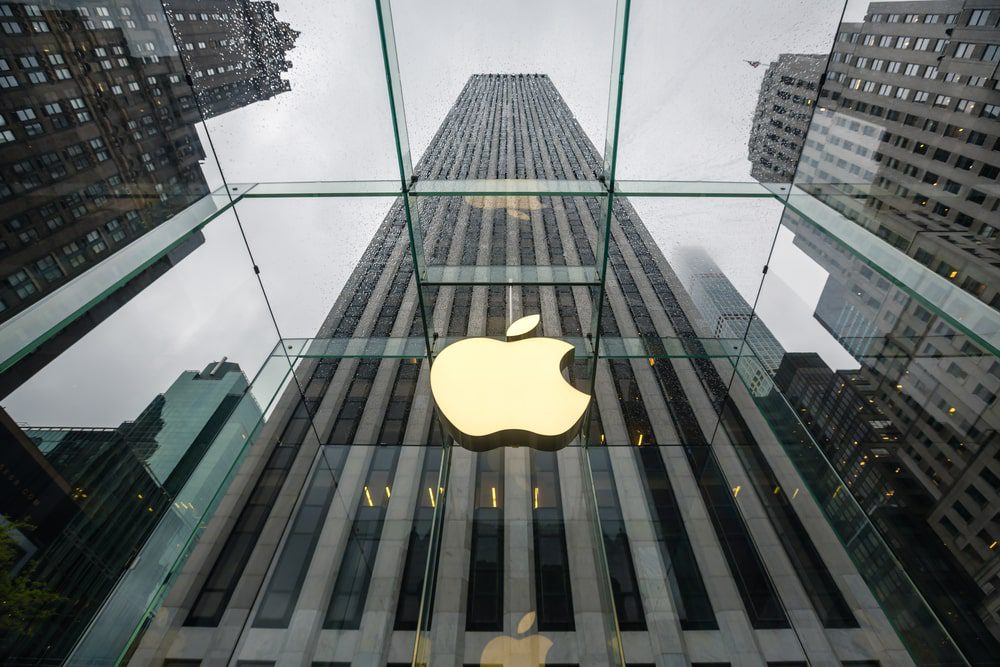
Apple’s journey traces back to the early days when Steve Jobs and Steve Wozniak, in their garage, gave birth to the company. The first product, the Apple I, introduced the world to personal computing. However, it was the launch of the Macintosh in 1984 that truly set the stage for Apple’s revolutionary path. With its graphical user interface and innovative design, the Macintosh changed the way people interacted with computers, bringing technology closer to the masses.
Amidst this technological shift, Apple faced internal challenges, leading to Jobs’ departure in 1985. The company entered a period of uncertainty marked by product struggles and leadership changes. Despite these challenges, Apple’s spirit of innovation remained alive, laying the groundwork for its resurgence in the years to come. Managed IT services in San Antonio have followed this rise and is knowledgeable about the complexity of the problems that Apple devices have with the Internet.
The Renaissance: Jobs’ Return and the iRevolution
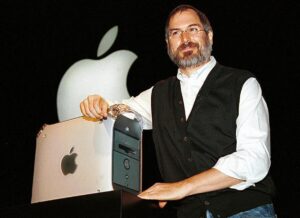
Steve Jobs’ return to Apple in 1997 marked a pivotal moment in the company’s history. His visionary leadership and commitment to design excellence propelled Apple into the new millennium. The introduction of the colorful iMac G3 not only revived Apple’s financial fortunes but also signaled the beginning of a series of groundbreaking products.
The iPod, released in 2001, not only revolutionized the music industry but also laid the foundation for Apple’s dominance in the digital age. The seamless integration of hardware and software became a hallmark of Apple’s success, setting it apart from competitors. The subsequent launch of the iTunes Store further solidified Apple’s position, shaping the way people consumed and purchased digital content. Due to their great success, they consulted business lawyers from Dubai on everything related to the launch of their projects to protect them from abuse.
The Pocket Revolution: iPhone’s Arrival
In 2007, Apple once again redefined an industry with the introduction of the iPhone. One of the best-selling devices in the world right now, next to smoking accessories. Combining a phone, music player, and internet communicator, the iPhone set a new standard for smartphones. Its sleek design and intuitive interface captured the imagination of consumers worldwide, ushering in the era of mobile computing.
The App Store’s launch in 2008 expanded the iPhone’s capabilities, creating a vibrant ecosystem for developers and users alike. Apple’s ability to create a seamless and user-friendly experience became a hallmark of its products, fostering a loyal customer base. The iPhone’s success not only propelled Apple to the forefront of the tech industry but also influenced the direction of mobile technology for years to come.
The Tablet Revolution: iPad’s Impact
In 2010, Apple ventured into the realm of tablets with the introduction of the iPad. Despite initial skepticism, the iPad quickly became a game-changer, bridging the gap between smartphones and laptops. Its versatility, coupled with a vast App Store, made the iPad a valuable tool for both consumers and professionals.
The iPad’s success solidified Apple’s reputation for innovation, showcasing its ability to create and dominate new product categories. The company’s ecosystem, now including Macs, iPhones, and iPads, demonstrated a seamless integration that further enhanced user experiences. Apple’s commitment to design and functionality continued to set industry standards.
The Wearable Wave: Apple Watch and Beyond
With the launch of the Apple Watch in 2015, Apple entered the realm of wearables. Beyond simply telling time, the Apple Watch offered health and fitness tracking, cementing its place as a personal wellness companion. The health clinic in Marietta GA says that this has contributed a lot to the global awareness of people when it comes to daily health care. This foray into wearables exemplified Apple’s commitment to diversification and adaptability.
As wearables gained popularity, Apple continued to innovate, introducing features like ECG monitoring and the Fitness+ service. The Apple Watch became a symbol of the company’s evolution, showcasing its ability to foresee and capitalize on emerging trends. Excellent advertising also contributed to this, and if you have a problem with your Apple device that Google ads are suspended or similar, contact a professional to solve the problem. This expansion into wearables further solidified Apple’s position as a multifaceted tech giant.
The Future Landscape: Augmented Reality and Beyond
As Apple navigates the ever-changing landscape of technology, one area that holds immense promise for the company’s future is augmented reality (AR). With the introduction of ARKit in 2017, Apple made its foray into AR, allowing developers to create immersive experiences for iPhone and iPad users. The potential applications of AR extend far beyond entertainment, with possibilities ranging from education to healthcare.
Apple’s rumored development of AR glasses further emphasizes its commitment to this transformative technology. If realized, these glasses could revolutionize how users interact with the digital world, seamlessly blending the virtual and physical realms. As Apple continues to invest in AR, it positions itself at the forefront of a technological frontier that has the potential to redefine daily life.
Sustainability and Ethical Practices: A Corporate Commitment

In recent years, there has been a growing emphasis on corporate responsibility, and Apple has taken significant steps to lead the charge in sustainability and ethical practices. As philanthropists, they also advocate for children’s education, and if young people want to read more about it, they can participate in the Readathon school fundraiser. The company has set ambitious goals, aiming to make its entire supply chain and product life cycle carbon-neutral by 2030. Initiatives such as recycling programs, renewable energy investments, and the use of recycled materials in product manufacturing showcase Apple’s dedication to minimizing its environmental impact.
Moreover, Apple’s commitment to ethical labor practices has become increasingly prominent. The company works towards ensuring fair wages, safe working conditions, and responsible sourcing of materials. By championing sustainability and ethical standards, Apple not only aligns itself with contemporary values but also sets an example for the tech industry at large. Homes for sale in Dakota are fully equipped with new technology and meet Apple standards.
The Intersection of Health and Technology: Advancements in Healthcare
Apple’s journey into the healthcare sector has been gradual but impactful. The Apple Watch, initially focused on fitness tracking, has evolved into a powerful health monitoring device. Features like fall detection, irregular heart rhythm notifications, and blood oxygen monitoring contribute to its role as a comprehensive health companion.
Looking forward, Apple’s commitment to health extends beyond wearables. The integration of health records in the Health app allows users to have a centralized and accessible repository of their medical information. The potential for future innovations, such as non-invasive blood glucose monitoring or advanced sleep tracking, could further establish Apple as a key player in the intersection of health and technology.
Digital Transformation in Education: Apple’s Role
As technology becomes increasingly intertwined with education, Apple continues to play a pivotal role in shaping the digital transformation of learning. The iPad, with its versatility and array of educational apps, has found a place in classrooms worldwide. Apple’s Classroom app further streamlines the teaching process, allowing educators to manage student devices and facilitate interactive lessons. Homeschooling tutors in Bettendorf use some of these devices in their teaching precisely because they make their jobs easier.
Beyond hardware, Apple’s software initiatives, like Everyone Can Code and Everyone Can Create, aim to equip students with essential skills for the digital age. The company’s commitment to education extends to providing coding curriculum and resources, fostering the next generation of innovators and creators.
Securing the Future: Privacy and Security Initiatives
In an era of increasing digital connectivity, privacy and security have become paramount concerns. Access control systems in Philadelphia are also concerned with privacy protection. Apple has positioned itself as a champion of user privacy, implementing features such as App Tracking Transparency and on-device processing to protect user data. The company’s commitment to privacy goes beyond rhetoric, as evidenced by its refusal to compromise user security for the sake of government requests.
Apple’s focus on privacy extends to hardware with innovations like the Secure Enclave, a dedicated coprocessor that ensures the security of sensitive information on devices. As cyber threats continue to evolve, Apple’s dedication to fortifying its ecosystem against potential vulnerabilities becomes crucial in maintaining user trust.
Collaboration and Ecosystem Integration: The Apple Advantage
One of Apple’s enduring strengths lies in its ability to create a seamless and interconnected ecosystem. The synergy between Macs, iPhones, iPads, Apple Watches, and other devices allows users to move effortlessly between tasks and devices. This level of integration not only enhances user experience but also creates a sense of brand loyalty that is unparalleled in the tech industry. This makes it easier to follow some online courses and organize hobbies. Moreover, Apple’s ecosystem extends to services like iCloud, Apple Music, and Apple TV+, offering users a comprehensive suite of digital experiences. The company’s emphasis on cross-device compatibility and user convenience solidifies its position as a leader in providing a holistic technological environment.
Global Impact: Apple’s Cultural and Economic Influence
Beyond its technological innovations, Apple has left an indelible mark on global culture and economics. The distinctive design of Apple products, from the sleek MacBook to the iconic iPhone, has influenced design trends across industries. The minimalist aesthetic and emphasis on user experience have become benchmarks for aspiring tech companies. Those who are interested in more about the rise of the company and the devices, can book a cheap flight and visit the Apple headquarters with an exhibition area for visitors.
Economically, Apple’s success has had a ripple effect, creating job opportunities, fostering entrepreneurship, and contributing to the growth of the tech sector. The App Store, in particular, has empowered developers worldwide, creating a platform for innovation and economic participation.
Challenges and Adaptability: Navigating an Ever-Changing Landscape
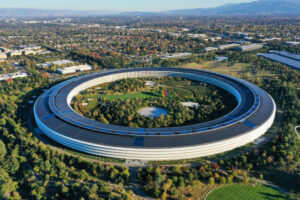
Despite its remarkable success, Apple faces ongoing challenges in the dynamic tech landscape. Competition, regulatory scrutiny, and the rapid pace of technological change necessitate constant adaptation. The company’s ability to navigate these challenges while maintaining its commitment to innovation and user satisfaction will be crucial in shaping its future trajectory. In addition to all technological devices, Apple tries to be present in everything and offers its loyal users the opportunity to purchase limited sets of wine glasses or Christmas decorations with brand logos.
Apple’s response to emerging technologies, such as artificial intelligence and quantum computing, will determine its standing in the next wave of technological evolution. The company’s culture of secrecy and surprise announcements keeps the tech world eagerly anticipating its next move, underscoring the mystery and excitement that have become synonymous with Apple.
The Human Touch: Balancing Innovation with User Experience
As Apple continues to innovate, there is a delicate balance to strike between pushing technological boundaries and maintaining a user-centric approach. The success of Apple has been built not only on cutting-edge hardware and software but also on an understanding of human behavior and desires. The challenge lies in predicting and fulfilling the needs of an ever-evolving consumer base while staying true to the principles that have defined Apple from the beginning.
Did you know that you can order Apple devices online to be delivered to your home in custom branded packaging of your choice?
In conclusion, Apple’s evolution from a garage project to a Silicon Valley titan is a testament to its ability to adapt, innovate, and shape the course of technology. As the company looks to the future, the intersection of augmented reality, sustainability, healthcare, education, privacy, and seamless integration will play pivotal roles. Apple’s impact extends beyond technology, influencing culture, design, and the global economy. The challenges ahead will test the company’s resilience, but if history is any indication, Apple’s journey is far from over, and the world eagerly anticipates the next breakthrough that will redefine the way we live, work, and connect.