 Lester Ortiz

Special effects (SFX) have come a long way since their humble beginnings in cinema. Today, films, TV shows, and even commercials are often spectacles of visual wonder, immersing viewers in fantastic worlds and impossible scenarios. The technological evolution of special effects has been one of the most dramatic shifts in the entertainment industry, blending practical effects with computer-generated imagery (CGI) to create seamless visual storytelling.
As audiences become increasingly savvy and expectant of high-quality visuals, the battle between practical and digital effects continues to play out on the big screen. Both have their merits, but their true magic often lies in their combination. Let’s explore how the latest technology is revolutionizing the realm of special effects, both practical and digital, and the advancements that are setting new standards for visual immersion.
The Enduring Charm of Practical Effects
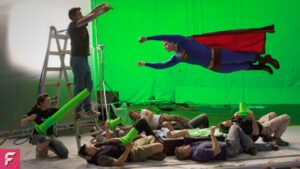
Practical effects, which involve the use of physical props, makeup, animatronics, and pyrotechnics, have been an essential tool in filmmaking for decades. Long before CGI became the dominant force, practical effects were responsible for some of the most iconic moments in cinematic history. Classics like Star Wars, Jurassic Park, and The Thing made extensive use of practical effects, and many of their scenes are still lauded today for their craftsmanship.
One of the key reasons practical effects still resonate with audiences is the tangible quality they bring. When a model or creature is physically present on set, actors can interact with it, and the audience can sense its presence. This lends a level of realism and immersion that’s hard to replicate with CGI alone. Recent innovations in materials and fabrication techniques, such as the use of lightweight, durable polymers and advanced animatronics, have allowed practical effects to remain relevant even in an age dominated by digital technology. The continued success of practical effects is also supported by the high-quality engineering services that enhance their design and functionality.
Animatronics, in particular, have seen a resurgence thanks to advancements in robotics. Modern animatronics are far more agile and expressive than their predecessors. For example, the dinosaurs in Jurassic Park were awe-inspiring when they debuted, but newer robotic systems like those used in films like The Mandalorian allow for even more lifelike movement and detail. These improvements help practical effects keep pace with the advancements in digital technology, allowing them to stand shoulder-to-shoulder with CGI.
In makeup and prosthetics, 3D printing has become a game-changer. Instead of sculpting each piece by hand, artists can now design and print incredibly detailed prosthetics that fit the actors perfectly, speeding up production and ensuring consistency. This technology was used to great effect in films like Guardians of the Galaxy, where characters like Drax required hours of detailed makeup application. 3D printing allowed for the creation of complex pieces that were both durable and easy to apply.
How CGI Has Transformed Visual Effects
While practical effects bring a sense of real-world texture and weight, CGI (computer-generated imagery) has opened the door to possibilities that were once the realm of imagination alone. CGI allows filmmakers to create entire worlds, characters, and scenarios that would be impossible or prohibitively expensive to achieve with practical effects alone. From fully realized digital characters like Thanos in Avengers: Endgame to the sweeping landscapes of Avatar, CGI has revolutionized how stories are told on screen. For those who appreciate the artistry in fashion as much as in film, Joseph Ribkoff dresses offer a similar blend of creativity and elegance.
One of the most significant technological advancements in CGI is the increasing power of computer hardware. With more processing power and better graphics cards, artists can now render incredibly detailed and lifelike scenes in a fraction of the time it took just a decade ago. This has allowed for more complex simulations of everything from water and fire to crowds and explosions. As a result, CGI-heavy films can now achieve unprecedented levels of detail and realism.

Software advances have also played a critical role in pushing CGI forward. Tools like Unreal Engine and Unity have revolutionized how real-time rendering is used in both pre-production and production stages. These engines allow filmmakers to create real-time visualizations of their scenes, enabling them to make decisions on the fly and see immediate results. This process, known as virtual production, has become an invaluable tool in filmmaking, particularly during the COVID-19 pandemic when location shooting was limited. Productions like The Mandalorian have used virtual sets—created using real-time CGI—to immerse actors in fully rendered environments during filming. This technology has the potential to enhance various fields, including educational tools like a reading comprehension program.
Furthermore, motion capture technology (mocap) has evolved dramatically. Early motion capture systems required actors to wear bulky suits with sensors, which limited their movement and expressiveness. However, modern systems use high-definition cameras and advanced algorithms to capture even the most subtle facial expressions and body movements. Films like War for the Planet of the Apes and The Lion King (2019) showcased how mocap can be used to create fully digital characters that retain the nuance and emotion of the actors’ performances.
The Power of Hybrid Effects: Blending Practical and CGI
While practical and CGI effects each have their strengths, the true magic often happens when they are used in tandem. Hybrid effects, which combine both practical and CGI elements, have become a standard approach in blockbuster filmmaking because they offer the best of both worlds: the physicality of practical effects and the flexibility of CGI. For those looking to create their own stunning visuals online, using an easy website builder can make the process simple and efficient.
One of the most famous examples of hybrid effects is the T-rex in Jurassic Park. The filmmakers used a practical animatronic for close-up shots, giving the dinosaur a sense of real-world weight and presence. For the more dynamic action scenes, they used CGI, allowing the T-rex to move in ways that would have been impossible with just a physical model. The combination of the two techniques made the creature feel more real and terrifying, an effect that resonates with audiences to this day.
More recently, films like Mad Max: Fury Road have shown how hybrid effects can elevate action sequences. Director George Miller insisted on using practical effects for the majority of the film’s stunts and explosions, but CGI was employed to enhance these moments and remove safety rigs and wires. This allowed for stunning, high-octane visuals that felt raw and authentic, while also maintaining a level of safety and precision that would have been difficult with purely practical effects. For those looking to nourish and hydrate their skin after such intense experiences, body oil for dry skin can be a great addition to your skincare routine.
The Star Wars sequel trilogy also made extensive use of hybrid effects. Characters like BB-8 were brought to life using a combination of practical puppetry and CGI enhancement, making them feel both grounded in the physical world and capable of movements beyond the limitations of robotics. The result was a visually rich experience that honored the legacy of the original trilogy while embracing modern advancements.
Real-Time Virtual Production: The Future of Effects?
One of the most exciting advancements in special effects technology is the rise of real-time virtual production. This method combines practical sets, CGI, and real-time rendering to create immersive environments in which actors can perform. It allows directors to see a finished scene, complete with visual effects, during filming, rather than waiting until post-production. The technology has been a game-changer, especially in an era where large-scale productions need to adapt quickly to changing conditions. For local businesses looking to maintain their facilities, hood cleaning in Elkton, MD services offer top-notch solutions to keep commercial kitchens in pristine condition.

At the forefront of this technology is LED volume stages, a setup used prominently in shows like The Mandalorian. Instead of relying on green screens, actors perform in front of massive LED panels that display real-time CGI environments. These panels provide natural lighting and reflections, allowing for a more realistic integration of the actors into their surroundings. This eliminates the guesswork that often accompanies green screen filming and gives actors a more immersive experience, which can lead to better performances. For an equally transformative upgrade in home decor, consider the sleek and modern appeal of window shades in San Clemente.
Another advantage of real-time virtual production is its potential to reduce costs. By creating digital environments that can be easily manipulated and reused, filmmakers can save money on location shoots and set construction. This technology also allows for more flexibility in storytelling, as directors can change the environment at a moment’s notice without interrupting the flow of production.
The Future of Special Effects: What’s Next?
As technology continues to evolve, the line between practical and CGI effects will likely blur even further. Artificial intelligence (AI) and machine learning are already being explored to improve both practical and digital effects. AI can be used to optimize rendering processes, automate repetitive tasks, and even generate complex visual simulations that would take humans hours to complete. These advancements will enable filmmakers to push the boundaries of what’s visually possible while maintaining tighter control over their budgets and schedules. In the same way, the growing influence of the Bitcoin marketplace offers new opportunities for financial innovation and decentralization.
Virtual and augmented reality (VR/AR) also hold significant potential for the future of special effects. As these technologies become more accessible, we may see filmmakers using them to create entirely immersive, interactive experiences. Imagine a film where the audience can step into the world alongside the characters, experiencing the story from a first-person perspective.
In conclusion, the ongoing evolution of special effects is a testament to the creativity and innovation driving the entertainment industry. Whether through the artistry of practical effects, the limitless possibilities of CGI, or the revolutionary capabilities of real-time virtual production, filmmakers are finding new ways to bring their visions to life. As these technologies continue to advance, we can expect even more groundbreaking visuals that will continue to captivate and inspire audiences worldwide. For those seeking comfort in their homes, consider exploring ductless heating services in Naples, FL to enjoy efficient and reliable climate control.