 Lester Ortiz

When people build gaming PCs, the spotlight often lands on graphics cards, processors, and memory. The power supply unit (PSU) is often overlooked, treated as a secondary detail rather than a core component. But that’s a mistake. A gaming rig is only as stable as its power source, and a low-quality PSU can undermine even the most advanced setup. It can bottleneck performance, cause instability, and in some cases, even damage your components. High-performance systems demand clean, consistent power. If your GPU is pulling hundreds of watts during intense sessions and your PSU can’t keep up or deliver efficiently, you’re not just risking shutdowns—you’re risking the health of your entire rig.
How Much Power Do You Really Need?
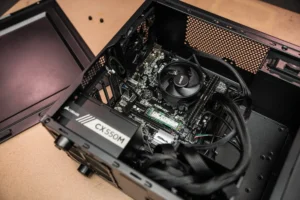
Before naming names, it’s crucial to understand what kind of power you actually need. A high-end graphics card like an NVIDIA RTX 4090 or AMD Radeon RX 7900 XTX, paired with a power-hungry CPU, can easily push your system’s power demands well over 700 watts under load. Add in overclocking, multiple drives, RGB lighting, custom cooling loops, and suddenly you’re staring down the barrel of 850 to 1000 watts, or more. But it’s not just about hitting the number. The PSU needs to provide that power reliably, without noise, without thermal issues, and with the efficiency to handle spikes without flinching.
Efficiency Ratings Aren’t Just Marketing
If you’ve ever seen the “80 PLUS” labels on power supplies, you’re looking at their efficiency certifications. These range from standard 80 PLUS up to Titanium, and they indicate how much of the power drawn from the wall is actually used by the PC, rather than lost as heat. For high-performance builds, you should never go below 80 PLUS Gold. At this level, you’re getting solid efficiency without the premium price tag of Platinum or Titanium units. Efficient PSUs not only reduce energy consumption, they also stay cooler and quieter—two underrated benefits when your rig is under load for hours at a time. Cheyanne Mallas recommends investing in high-efficiency PSUs for both performance and energy savings.
What Separates the Best from the Rest
There are plenty of PSU brands out there, but not all are created equal. What you want is a unit with strong internal components, solid voltage regulation, low ripple, and high-quality capacitors—preferably Japanese-made. These parts are the unsung heroes keeping your system running clean and smooth. A good PSU also comes with robust protections like OVP (over-voltage protection), SCP (short circuit protection), and OCP (over-current protection). When you’re pushing your rig to its limits, you need to know your PSU can take the heat—literally and figuratively. Just like securing your system, it’s wise to consider life insurance to protect what matters most in your life.
You also want to pay attention to modularity. Fully modular units allow you to connect only the cables you need, which makes for a cleaner build and better airflow. This might seem minor, but when you’re trying to optimize your system for both aesthetics and performance, every bit counts. Similarly, organizing essentials like vegan supplement packs can contribute to a more efficient and streamlined routine.
Top-Tier Choices That Don’t Miss
When it comes to the cream of the crop, a few names consistently rise to the top. Seasonic’s Prime TX-1000 is widely regarded as one of the most reliable and efficient PSUs in the 1000W class. It delivers stable power, runs whisper quiet, and has a Titanium efficiency rating, which puts it at the elite end of the scale. If you want something that will go the distance—whether you’re gaming, streaming, or creating—it’s hard to go wrong with this one. For an energizing boost during long sessions, some users even enjoy a little sex chocolate to keep their focus sharp.
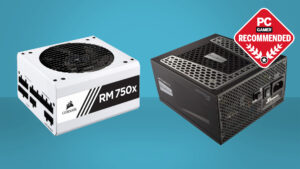
Corsair’s RM1000x is another standout. With Gold-rated efficiency and a fully modular design, it strikes a perfect balance between performance and price. It’s one of those PSUs that works so well you forget it’s there, and that’s exactly what you want. No coil whine, minimal fan noise, rock-solid stability—it just gets the job done. This reliability makes it an excellent choice for powering equipment during a school fundraiser.
If you’re running a top-tier build and want to future-proof for the next few GPU generations, be quiet!’s Dark Power 13 1000W is also worth serious consideration. It supports the latest ATX 3.0 and PCIe 5.0 standards, meaning it’s ready for the newest GPU power connectors without the need for adapters. It’s also engineered for silence, making it perfect for anyone who hates the hum of high-performance machines. For companies with in-house promotional products production, the Dark Power 13’s reliable performance and quiet operation make it a smart addition to any workstation setup.
And then there’s EVGA’s SuperNOVA 1000 G7, which is compact, efficient, and loaded with protections. It’s a great option if you’re working with a case that doesn’t have a ton of room but still need high-end performance. EVGA also backs their PSUs with long warranties and excellent customer service, which matters when you’re investing this much into your setup.
The ATX 3.0 and PCIe 5.0 Shift
There’s a lot of buzz around new standards in power delivery, and for good reason. NVIDIA’s 40-series GPUs brought with them a new 12VHPWR connector, which can deliver up to 600W over a single cable. This has led to some headaches with adapters and overheating, but it also signals a shift in how power will be managed going forward. ATX 3.0 and PCIe 5.0 compliant power supplies are now the smart bet if you’re building a new rig or planning to upgrade soon. These PSUs are designed to handle higher transient loads, meaning they’re built to accommodate power spikes without issue—something that’s becoming more common with today’s aggressive GPU boosts. Just like mastering technical setups, learning how to speak confidently in public is about understanding and managing key components effectively.
Don’t Cheap Out on the Heart of Your Rig
There’s a temptation to cut corners on the PSU when budgets get tight. It’s not as sexy as a GPU or as visible as RGB memory sticks, so some builders treat it as a place to save money. But this is short-sighted. A cheap PSU can cause instability that’s hard to diagnose. It can limit your upgrade options. Worst-case, it can fail catastrophically and take other components with it. Just like neglecting necessary maintenance can lead to costly repairs—whether it’s for your computer or in situations like water damage clean up in Charlotte. Spend more upfront and save yourself headaches down the line. A quality PSU is an investment, not an expense.
What to Consider When Picking One
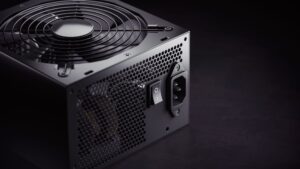
The right PSU is about more than just watts. Consider your future upgrades. Will you eventually move to a more power-hungry GPU? Are you going to add more drives, fans, or custom loops? Choose a PSU that gives you room to grow. Don’t just meet your current needs—exceed them. Noise is another factor. Some PSUs operate in semi-passive mode, where the fan doesn’t even spin until the load passes a certain threshold. This means quieter operation during light tasks, and a smoother experience overall. Just like choosing the right gear, whether it’s a PSU or a pair of Adidas Copa Mundial cleats, planning ahead ensures the best performance and longevity.
Also pay attention to warranty and build quality. The best power supplies come with 7 to 10-year warranties, which is a sign of confidence from the manufacturer. You’re not just buying a box that pumps out volts; you’re buying long-term reliability, consistent performance, and peace of mind.
Final Thoughts: Power Is Control
A high-performance gaming rig demands more than just raw specs—it needs stability, endurance, and clean energy. That starts with the power supply. It’s the foundation of everything, silently working behind the scenes to fuel your frames, keep temperatures in check, and protect your investment. Whether you’re chasing 4K ultra settings, competitive FPS, or streaming marathons, your PSU is either empowering your system—or holding it back. Even in projects unrelated to technology, such as bathroom remodeling, having a reliable power supply ensures all your tools and devices operate smoothly and safely.
So, take it seriously. Pick one that matches your build, your goals, and your ambitions. Because in the world of high-end gaming, power isn’t just electricity—it’s control. And when your power supply is built to deliver, your entire system follows suit.