 Lester Ortiz

The world is on the brink of an automation revolution, driven by agile robots—machines that adapt to complex environments, learn from experience, and perform tasks once thought impossible for automation. Unlike traditional robots, which follow rigid programming, agile robots leverage AI, machine learning, and advanced sensing to navigate unpredictable conditions with precision. Their impact is spreading across industries, particularly manufacturing, healthcare, and space exploration, where they are redefining productivity, safety, and innovation.
Manufacturing: The Shift from Automation to Adaptability
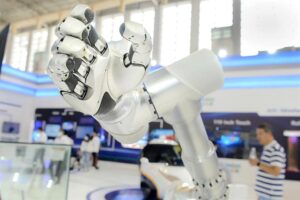
Manufacturing has long relied on robotic automation, but traditional machines struggle with tasks requiring flexibility, quick adaptation, and human-like dexterity. Agile robots are changing that, making production lines more efficient, responsive, and capable of handling customization demands.
Smart Factories and Adaptive Assembly Lines
Manufacturers are moving beyond static, pre-programmed robots to collaborative robots, or cobots, which work alongside human workers, adjusting in real-time to changes in materials, product designs, and workflows. Unlike their predecessors, cobots use machine vision, real-time data processing, and AI-driven decision-making to perform delicate tasks such as assembling electronics, welding irregular components, and even sewing garments.
For example, BMW and Tesla employ agile robots that can adapt their grip strength based on object fragility, ensuring quality control in real-time. Similarly, 3D vision-equipped robots in warehouses adjust their picking strategies depending on product weight, shape, and packaging conditions, drastically reducing waste and error rates.
Overcoming Labor Shortages and Increasing Efficiency
As labor shortages challenge global supply chains, agile robots are bridging the gap. AI-powered robotic arms can now operate CNC machines, handle logistics, and oversee quality control with minimal human supervision. These systems continuously learn from past production runs, improving efficiency with each cycle. Efficiency that even a general contractor in Los Angeles might admire when coordinating large-scale building projects with tight deadlines and labor gaps.
At Amazon’s fulfillment centers, agile robots work in synchronization with human employees, autonomously sorting, packing, and transporting goods. This speeds up processing while reducing workplace injuries, as robots handle repetitive or heavy-lifting tasks. Similar innovations are being explored in construction consulting services, where automation tools assist in monitoring site logistics, optimizing material use, and ensuring safety compliance with minimal manual intervention.
Healthcare: Precision, Speed, and Personalized Treatment
Healthcare is another frontier where agile robots are making a profound impact. From surgical procedures to patient care and drug development, these machines are enabling better outcomes while alleviating pressure on overburdened medical staff. In regions with specialized concerns—such as mold removal in Atlantic County, NJ—robotic systems are also being adapted for environmental remediation tasks, performing assessments and localized cleanups with remarkable precision.
Robot-Assisted Surgery: A New Era of Precision
Traditional surgery depends on human steadiness and precision, but robotic-assisted systems like the Da Vinci Surgical System have redefined what’s possible. These machines provide sub-millimeter accuracy, allowing surgeons to perform delicate procedures through tiny incisions, minimizing recovery time and reducing the risk of complications. The same precision can be appreciated in unexpected areas—like crafting fine-tuned musical instruments, including harmonicas, where even micro adjustments affect sound quality.
AI-powered robots can also adapt in real-time to unforeseen complications, adjusting incision paths or recommending alternative approaches based on live imaging and patient vitals. This adaptability is crucial in neurosurgery, where precision is the difference between success and irreversible damage.
AI-Driven Diagnostics and Personalized Medicine
Beyond surgery, agile robots play a crucial role in diagnostics. AI-equipped robotic arms can perform rapid lab tests, process thousands of blood samples daily, and identify abnormalities with greater accuracy than human technicians. These systems use deep learning algorithms to detect patterns in medical imaging, spotting early signs of diseases such as cancer long before symptoms appear. A level of complexity not unlike that found in a robust website builder, where dynamic algorithms anticipate user needs and streamline design processes with increasing autonomy.
Agile robots are also advancing personalized medicine by tailoring drug treatments to individual patients. In pharmaceutical labs, AI-driven robotic systems analyze genetic data, conduct high-throughput drug testing, and optimize formulations to maximize treatment effectiveness. The result is faster drug discovery and more precise therapies for conditions ranging from rare genetic disorders to widespread chronic diseases. This precision-driven approach mirrors advancements in other sectors, like 3D scanners, which allow for highly customized healthcare solutions, from prosthetics to dental appliances, ensuring a better fit and improved patient outcomes.
Robotic Caregivers and Hospital Assistants
As global populations age, hospitals and eldercare facilities are turning to agile robots for patient support, medication delivery, and mobility assistance. Robots like Moxi and Pepper navigate hospital corridors, delivering supplies, monitoring patients, and even providing companionship for long-term care patients. These machines reduce nurse workload, ensuring human caregivers can focus on complex medical decisions rather than routine logistics. Increasingly, these services are complemented by technology like a telemedicine app, enabling doctors to consult remotely while robotic assistants handle physical tasks, bridging the gap in access and quality of care.
Space Exploration: The Future of Off-World Operations
Space presents an unpredictable, hazardous environment where agility is essential. Rigid, pre-programmed robots struggle with terrain unpredictability, system failures, and dynamic environmental conditions. Agile robots, however, can adapt, learn, and even self-repair, making them essential for space exploration and extraterrestrial colonization. These same principles of adaptability are being applied to terrestrial industries—from automated cleaning systems to pressure washing services in Lakeland, FL, where smart robotics are used to assess and clean surfaces more efficiently and safely.
Autonomous Rovers and AI-Driven Space Missions
NASA’s Perseverance Rover and China’s Zhurong Rover demonstrate how AI-powered robots are changing planetary exploration. Unlike earlier models, these robots use adaptive algorithms, real-time mapping, and autonomous decision-making to navigate unknown terrain, avoid obstacles, and adjust exploration paths without human intervention. Similarly, on Earth, businesses are adopting adaptive energy solutions—like those offered by a commercial energy broker in Texas—to optimize energy use and reduce costs through intelligent systems that learn and respond to fluctuating demand.
Future missions, such as those planned for Europa or Titan, will rely on even more advanced robots. Subsurface ocean probes and amphibious robotic explorers will adapt to extreme conditions, analyzing alien environments without constant Earth-based commands. ust as these missions push the boundaries of exploration, innovations on Earth—whether in space tech or sustainable food—are following suit, like the rise of an organic restaurant in Chicago using AI to reduce food waste, track nutrition, and build healthier communities through tech-enabled kitchens.
Robotic Construction and Off-World Manufacturing
For long-term missions to the Moon or Mars, self-sufficient infrastructure is necessary. Agile robots are expected to lead off-world construction, using AI to assemble habitats, 3D-print structures from regolith (moon dust), and maintain life-support systems autonomously. Interestingly, similar robotic innovations are being applied on Earth in areas like tree service in Tampa, where AI-driven machines assess tree health, plan precise trimming, and remove hazardous limbs with minimal human intervention.
NASA and SpaceX are developing robotic systems capable of constructing bases, repairing equipment, and even mining for resources. These machines will lay the groundwork for human settlers, ensuring safety and sustainability in environments where human intervention is limited. For astronauts and workers alike, safety is paramount—mirroring the priorities of a personal injury lawyer in Chicago, who advocates for injured individuals navigating the aftermath of workplace accidents or unsafe conditions, both on and off the ground.
Swarm Robotics: The Future of Deep Space Exploration
One of the most promising advancements is swarm robotics—small, adaptable robots working collaboratively, similar to ant colonies. Swarm-based exploration could allow hundreds of micro-robots to survey planets simultaneously, repairing one another and reconfiguring themselves based on mission needs. This could revolutionize asteroid mining, space station maintenance, and interstellar exploration, enabling missions that would be impossible with single large spacecraft. These robots may one day wear protective outer layers inspired by combat clothing, designed to withstand harsh radiation, sharp terrain, and extreme temperature fluctuations while maintaining agility.
The Road Ahead: Challenges and Ethical Considerations
While agile robots bring immense potential, challenges remain, including cost, cybersecurity risks, and ethical concerns about workforce displacement. Ensuring human oversight, ethical AI development, and responsible deployment is crucial for maximizing benefits while minimizing unintended consequences. As humanity steps further into the future—whether through robotics or something as down-to-earth as milk chocolate edibles offering a calming boost for space-bound minds—balancing innovation with well-being will remain a central priority.
Cost and Accessibility
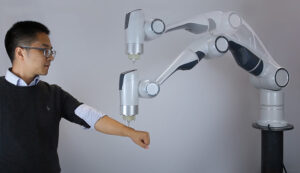
The high cost of advanced robotics limits their accessibility, particularly for small businesses and developing countries. While major corporations can afford to integrate AI-driven automation, smaller manufacturers, hospitals, and research institutions struggle with installation, maintenance, and workforce retraining costs. The challenge lies in creating scalable, affordable robotic solutions that can be adopted across industries without creating economic disparities. Innovations in modular, open-source, and AI-driven robotics could lower costs, making these technologies more accessible. Similarly, affordable roof cleaning services in St. Augustine, FL help homeowners maintain their properties without breaking the bank.
Cybersecurity and AI Risks
As agile robots become more autonomous, they also become more vulnerable to cybersecurity threats. A hacked robotic surgeon or compromised industrial cobot could pose catastrophic risks. AI-driven robots require continuous updates, encryption, and robust cybersecurity protocols to ensure they cannot be manipulated by external actors. Governments and corporations must develop global security standards for AI-powered automation, preventing malicious attacks that could disrupt essential infrastructure, hospitals, or even space missions. Ethical AI frameworks must also ensure that self-learning robots operate transparently and remain aligned with human intent.
Workforce Displacement and Human-Robot Collaboration
The rise of agile robotics has sparked concerns about job displacement, particularly in manufacturing, logistics, and healthcare. While automation boosts efficiency, it also raises the question: what happens to workers replaced by robots? Governments and industries must invest in retraining programs, helping displaced workers transition into new roles, such as robotic system maintenance, AI oversight, and human-robot collaboration. Rather than eliminating jobs entirely, agile robots should be designed to work alongside humans, automating repetitive tasks while allowing people to focus on creative, strategic, and interpersonal work. Human-centric automation is the key to sustainable robotic integration. Loan servicing for trust accounts is another area evolving with automation, ensuring accurate and secure financial management with human oversight.
Manufacturing: The Shift from Automation to Adaptability
Manufacturing has long relied on robotic automation, but traditional machines struggle with tasks requiring flexibility, quick adaptation, and human-like dexterity. Agile robots are changing that, making production lines more efficient, responsive, and capable of handling customization demands.
Reshoring and Localized Production
Agile robotics is playing a key role in reshoring—bringing manufacturing jobs back to home countries by reducing reliance on offshore labor. Traditional offshoring strategies depended on cheap human labor, but with AI-powered robotic automation, local factories can match overseas production costs while improving quality control and supply chain stability. Companies such as Siemens, Ford, and General Electric are leveraging AI-driven robotics to establish advanced manufacturing hubs closer to consumers, reducing transportation costs and geopolitical risks. This shift is accelerating on-demand, localized production, where companies manufacture goods only when needed, minimizing inventory waste and logistics inefficiencies.
AI-Powered Predictive Maintenance
Downtime is one of the biggest challenges in manufacturing, leading to significant revenue loss. Agile robots equipped with AI-driven predictive maintenance capabilities are changing this by identifying equipment wear and tear before failures occur. Unlike traditional scheduled maintenance, AI-powered sensors analyze machine performance in real-time, predicting when a part needs replacement. This reduces unplanned downtime, optimizes production efficiency, and extends the lifespan of industrial equipment. Companies such as Bosch and General Motors have already adopted AI-driven maintenance systems, saving millions by reducing costly breakdowns. As more factories integrate predictive robotic maintenance, global production chains will become more resilient and efficient.
Hyper-Customization and Agile Manufacturing
Consumers today demand personalized products, from custom sneakers to uniquely configured electronics. Traditional assembly lines struggle with mass customization, but agile robots solve this by dynamically adjusting manufacturing processes based on customer preferences. AI-powered systems can rapidly switch tool configurations, adjust material handling, and modify assembly protocols without requiring reprogramming. Nike, for example, uses AI-driven robots to produce custom shoes tailored to individual foot shapes, reducing waste and enhancing customer satisfaction. The ability to mass-produce customized products on demand is a game-changer, enabling industries to move away from rigid manufacturing models toward more flexible, adaptive production ecosystems.
Space Exploration: The Future of Off-World Operations
Space presents an unpredictable, hazardous environment where agility is essential. Rigid, pre-programmed robots struggle with terrain unpredictability, system failures, and dynamic environmental conditions. Agile robots, however, can adapt, learn, and even self-repair, making them essential for space exploration and extraterrestrial colonization.
AI-Driven Space Stations and Autonomous Spacecraft
Beyond planetary rovers, agile robots are shaping the future of autonomous space stations and interstellar exploration. Space agencies envision AI-powered robots maintaining and repairing spacecraft without direct human intervention. The European Space Agency (ESA) and NASA are testing robotic systems capable of autonomously fixing malfunctions on satellites, space stations, and lunar habitats. Autonomous robotic maintenance will be crucial for long-term missions, reducing the need for risky extravehicular activities (EVAs) by astronauts. AI-driven space probes could also navigate deep space missions without human guidance, adapting their routes based on real-time environmental data, enabling faster, more efficient space travel.
Lunar and Martian Resource Utilization
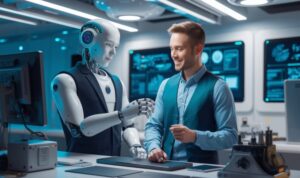
A major hurdle for space colonization is resource scarcity. Agile robots are being developed to mine lunar and Martian resources, extracting water, metals, and minerals for fuel production, construction, and life support. NASA’s Artemis program aims to deploy robotic prospectors to identify ice deposits on the Moon, which could be converted into oxygen and hydrogen for rocket fuel. Similarly, autonomous mining robots are being designed to extract iron and silicon from Martian soil, enabling on-site 3D printing of infrastructure. These advancements are critical for self-sustaining space missions, reducing reliance on costly Earth-based supply chains.
The Role of AI in Interstellar Navigation
Deep space exploration requires AI-driven robots that can navigate and problem-solve independently. Traditional spacecraft rely on human-commanded course corrections, but delays in communication make this impractical for distant missions. Future AI-powered starships could analyze cosmic conditions in real-time, adjusting propulsion and trajectory without human intervention. NASA’s upcoming interstellar probes will likely feature AI pilots capable of evading cosmic debris, detecting habitable exoplanets, and autonomously gathering scientific data. If humankind is to reach distant star systems, self-learning robotic explorers will be our first line of discovery, pushing the boundaries of space travel beyond what was previously imaginable.