 Lester Ortiz
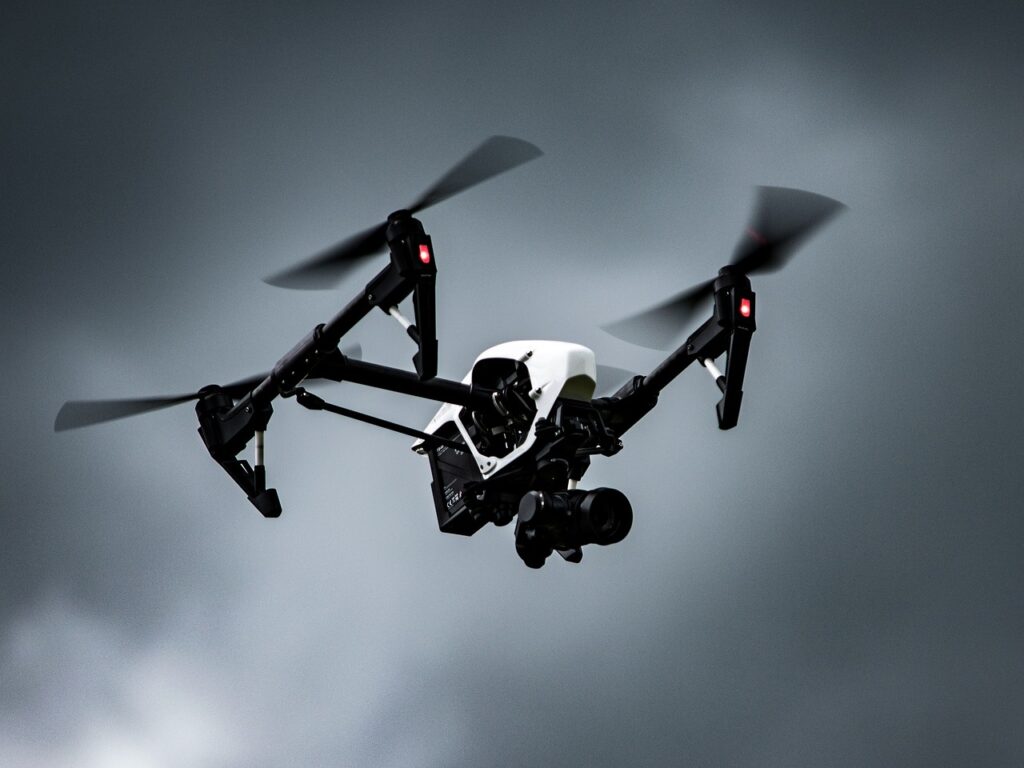
The rapid advancement of drone technology over the past decade has revolutionized a multitude of industries, from agriculture and construction to photography and emergency services. At the heart of this revolution lies sophisticated software and coding techniques that enable drones to perform a myriad of complex tasks autonomously. This article delves into the various aspects of drone coding, exploring the programming languages, algorithms, and frameworks that have made these aerial gadgets not only viable but also invaluable tools in modern society.
Understanding Drone Architecture
To appreciate the software that powers drones, it is essential to understand their basic architecture. Drones typically consist of several core components: the flight controller, sensors, actuators, and communication systems. The flight controller is the brain of the drone, responsible for processing data from sensors and issuing commands to the motors to achieve stable flight. Sensors such as GPS, accelerometers, gyroscopes, and barometers provide crucial data that helps the drone navigate and maintain its position.
The coding of a drone involves writing software that integrates these components seamlessly. The most common flight controllers include open-source options like PX4 and ArduPilot, which allow developers to customize their coding experience. By leveraging open-source platforms, developers can modify existing code to suit specific needs, making drone technology more accessible and versatile.
The interaction between hardware and software is critical. For instance, sensors need to communicate their readings to the flight controller in real time, and the flight controller must process this data almost instantaneously to ensure stability and responsiveness. This intricate interplay requires robust coding and well-structured algorithms to ensure that all components work harmoniously.
Programming Languages in Drone Development
Several programming languages are commonly used in the development of drone software, each serving distinct purposes and offering unique advantages. C and C++ are the dominant languages for coding flight control systems due to their efficiency and performance. These languages enable low-level hardware control, which is essential for real-time operations such as motor control and sensor data processing. For example, ArduPilot is primarily written in C++, allowing developers to work closely with the hardware. If you’re looking to enhance your skills or knowledge, consider visiting a beauty salon in Flatiron.
Python has also emerged as a popular choice for higher-level applications, particularly for data analysis and simulation. It’s widely used for developing ground control stations (GCS) and for scripting automated missions. Python’s simplicity and extensive libraries make it ideal for tasks like parsing sensor data, logging flight information, and even machine learning applications. For those seeking companionship rather than tech, consider exploring French bulldogs for sale, as these lovable pets are known for their charm and affectionate nature.
JavaScript has found its place in web-based applications that control drones. With frameworks like Node.js, developers can create web interfaces for drones, allowing users to control them from a browser or mobile device. This versatility enables users to interact with drones remotely, enhancing user experience and functionality.
Finally, MATLAB and Simulink are often utilized for modeling and simulation purposes. These tools allow engineers to design algorithms, simulate drone behavior, and test their codes before deploying them in the real world. This preemptive approach minimizes errors and ensures that the software functions as intended when implemented in flight.
Algorithms for Autonomous Navigation
One of the most impressive capabilities of modern drones is their ability to navigate autonomously. This functionality is primarily made possible through sophisticated algorithms that process sensor data in real time. Autonomous navigation involves a range of techniques, including path planning, obstacle avoidance, and localization. For a different kind of challenge involving problem-solving and teamwork, try an escape room in Seattle.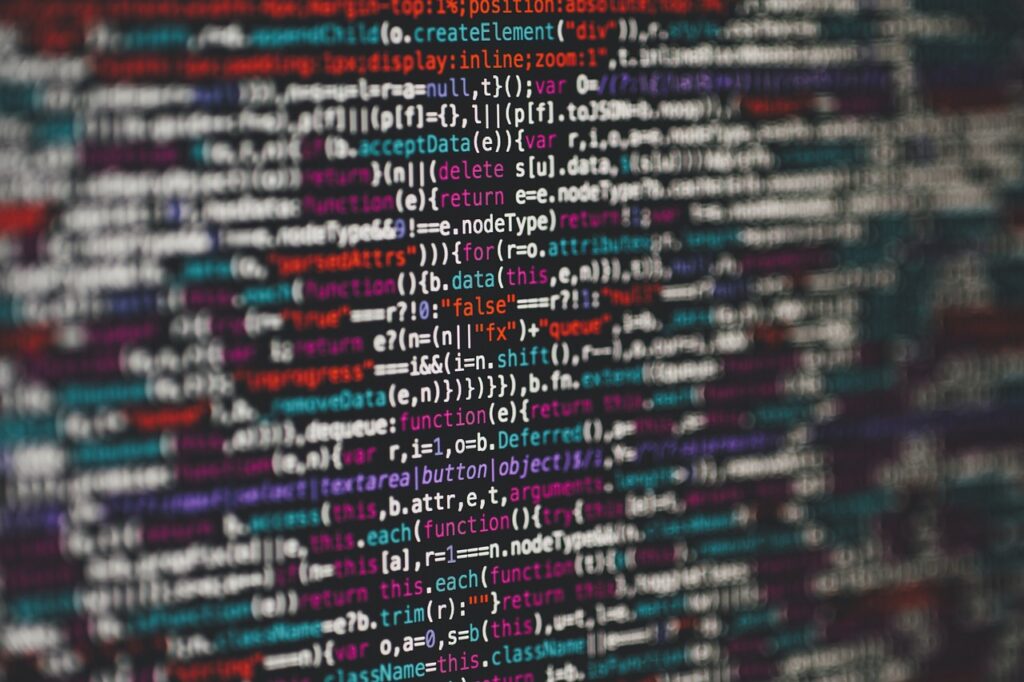
Path planning algorithms, such as the A* algorithm or Dijkstra’s algorithm, are used to determine the optimal route for the drone to follow. These algorithms take into account various factors, such as distance, obstacles, and no-fly zones, to generate a safe and efficient flight path. The implementation of these algorithms requires not only strong coding skills but also a thorough understanding of graph theory and spatial analysis. For a perfect outdoor adventure, equip your journey with a convenient ice cooler.
Obstacle avoidance is another critical component of autonomous navigation. Techniques like Simultaneous Localization and Mapping (SLAM) enable drones to create real-time maps of their surroundings while simultaneously determining their location within that map. SLAM algorithms leverage data from multiple sensors, including LiDAR and cameras, to detect and navigate around obstacles dynamically.
Localization, on the other hand, refers to the drone’s ability to determine its position in the world. Techniques such as GPS-based localization, visual odometry, and inertial navigation are commonly used. Combining these methods often leads to more accurate results, allowing drones to operate effectively in various environments. For reliable home services, you might consider hiring an electrician in Plano, TX, to ensure your electrical systems function just as effectively.
The Role of APIs and SDKs
Application Programming Interfaces (APIs) and Software Development Kits (SDKs) are crucial for developers looking to create custom applications for drones. APIs provide a set of protocols and tools for building software applications, while SDKs typically include libraries, documentation, and sample code to facilitate development. For those who enjoy a unique treat while coding, ice cream cone edibles extra strong can make for a fun snack during long development sessions. These tools are instrumental in accelerating the development process and allowing developers to focus on creating innovative applications rather than reinventing the wheel.
For instance, the DJI SDK allows developers to build applications that can control DJI drones. With this SDK, developers can access features like flight control, camera operation, and telemetry data, enabling them to create customized applications tailored to specific needs. The flexibility of APIs and SDKs fosters innovation by providing the necessary building blocks for developers to create unique solutions.
Moreover, the integration of cloud-based services has opened new avenues for drone applications. Developers can leverage cloud computing for data storage, processing, and analytics. For instance, drones equipped with data-collecting sensors can upload their information to the cloud, where it can be analyzed in real time. This capability enhances the utility of drones in fields like agriculture, where farmers can receive actionable insights based on aerial imagery and sensor data. Similarly, professionals specializing in landscaping in Florida can use drone technology to survey properties and plan efficient designs.
The Impact of Artificial Intelligence
Artificial Intelligence (AI) is increasingly becoming an integral part of drone technology. From computer vision to machine learning, AI enables drones to perform complex tasks autonomously and efficiently. One of the most prominent applications of AI in drones is image recognition, which allows drones to identify and classify objects in real time. In a similar way, a full body massage Las Vegas can offer personalized relief by targeting specific areas of tension, using advanced techniques that cater to the body’s unique needs.
For example, in agriculture, drones equipped with AI algorithms can analyze crop health by identifying areas affected by pests or diseases. Machine learning models are trained on vast datasets to enhance their accuracy and efficiency in recognizing different crop conditions. This capability not only improves agricultural practices but also reduces the need for manual inspections, saving time and resources. Similarly, wedding photography in Rogers can capture the beauty of your special day with precision and care, ensuring that every important moment is documented with accuracy, much like how AI enhances efficiency in crop analysis.
Furthermore, AI-powered drones are also being utilized in disaster response scenarios. By analyzing aerial imagery, drones can help first responders assess damage, locate survivors, and coordinate rescue efforts more effectively. The ability to process and interpret vast amounts of data in real time enhances situational awareness, making drones invaluable in critical situations. In addition, commercial HVAC maintenance plays a crucial role in ensuring that the systems used in these operations remain fully operational during emergencies.
As AI technology continues to evolve, its applications in drone technology will expand. The combination of AI and drones holds the potential to revolutionize industries, making operations safer, faster, and more efficient.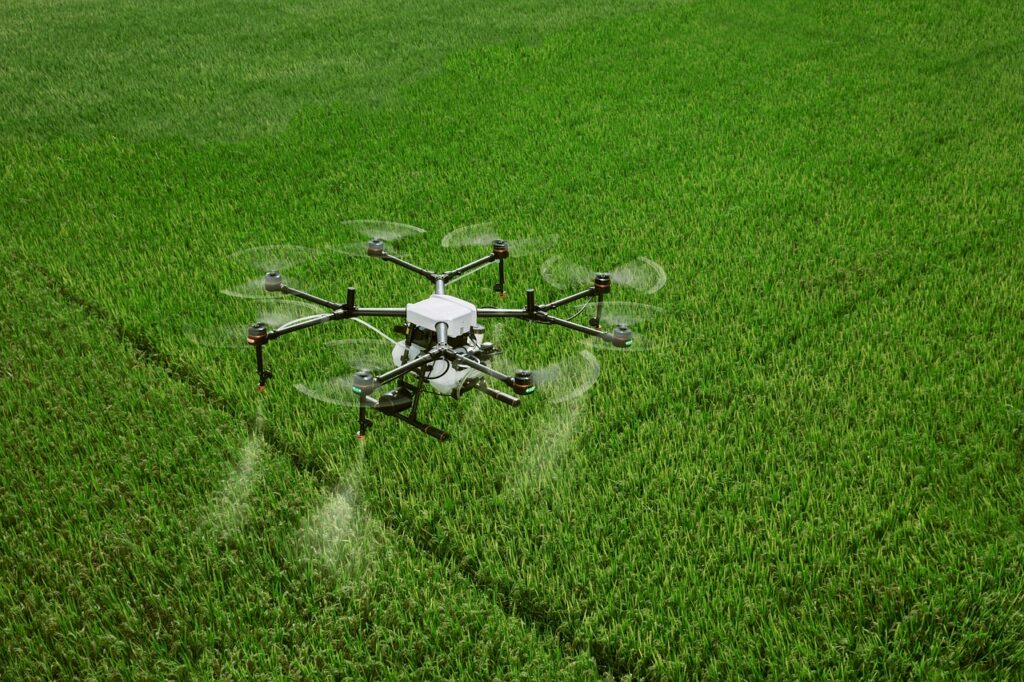
The Future of Drone Coding
The future of drone technology is promising, with continual advancements in coding and software development set to redefine the capabilities of aerial gadgets. As we look ahead, several trends are emerging that will shape the next generation of drones. In a different context, chicken kibble is also evolving with new formulations aimed at improving pet health and nutrition, ensuring that pets get the best possible care and energy for their activities.
Firstly, the integration of 5G technology will enhance communication between drones and ground control stations, enabling faster data transmission and more reliable connectivity. This advancement will support more complex applications, such as real-time video streaming and advanced data analytics.
Secondly, the development of autonomous swarming technology is on the rise. Swarm robotics, inspired by the collective behavior of animals, allows multiple drones to work together to accomplish tasks more efficiently. This capability has potential applications in agriculture, search and rescue missions, and environmental monitoring.
Thirdly, the expansion of drone delivery services is becoming a reality, with companies exploring the use of drones for package delivery. This trend necessitates advancements in navigation, obstacle avoidance, and air traffic management, creating exciting opportunities for developers.
Finally, the continuous evolution of machine learning and AI will further enhance drone capabilities. As AI algorithms become more sophisticated, drones will be able to make smarter decisions in real time, enhancing their utility across various applications.
Conclusion
Coding for drones represents a fascinating intersection of technology, creativity, and innovation. The software behind these aerial gadgets is critical in enabling them to perform complex tasks autonomously and efficiently. As we have explored, programming languages, algorithms, and APIs all play a vital role in drone development, while AI is paving the way for new possibilities.
However, as drone technology continues to evolve, developers must navigate the challenges and ethical considerations that accompany their work. The potential of drones to transform industries is immense, but it comes with responsibilities that must be addressed. As we stand on the brink of a new era in aerial technology, the possibilities are endless, limited only by the creativity and foresight of those coding the future of drones.