 Lester Ortiz
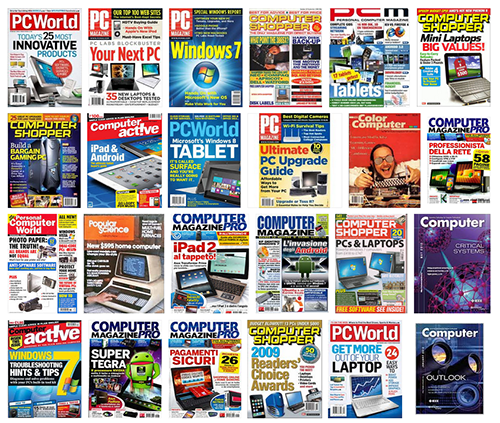
The evolution of science communication has been a long and multifaceted journey, and one of the key drivers of this transformation has been the advent of early technology journals. These publications, which began to appear in the late 19th and early 20th centuries, were crucial in bridging the gap between the cutting-edge developments of the scientific community and the wider public. By documenting and communicating advances in fields such as physics, chemistry, engineering, and later, computer science, these early tech journals not only played a pivotal role in shaping the way we understand and engage with scientific progress but also laid the foundation for modern science communication. The impact of these publications continues to reverberate today, influencing the media, public perception of science, and even the future of technological innovation.
In the early stages of scientific discovery, information sharing was often slow and limited to a small group of academics. Researchers published their findings in specialized journals that were not accessible to a general audience. The concept of science communication, as we know it today, had not yet been realized. It wasn’t until the rise of technological innovation and the emergence of tech journals that the world saw the transformative power of written media in disseminating scientific knowledge. These journals played an essential role in making science more accessible, creating new platforms for public dialogue, and allowing technology to evolve at a faster pace.
As the world entered the 20th century, technological advancements were happening at an unprecedented rate. New fields such as electrical engineering, aviation, and later computer science were rapidly reshaping society, and early tech journals became crucial in documenting and disseminating these advances. They provided a space where scientists and engineers could share ideas, debate theories, and collaborate on new inventions. Today, we take for granted the sheer volume and speed with which science and technology are communicated. However, in the early days, this was not always the case, and the contributions of early tech journals were vital in bringing these advancements into the public consciousness. As innovation continues to shape our daily lives, even fitness apparel has evolved to enhance performance and comfort, making options like men’s joggers for gym a popular choice for active lifestyles.
The Birth of Tech Journals: Laying the Groundwork
In the late 19th century, the world saw the birth of some of the first technical and scientific journals that would eventually change the way people interacted with emerging technologies. Publications like “The Electrical Engineer” (founded in 1875) and “Scientific American” (founded in 1845) were among the first to bridge the gap between niche academic circles and the broader public. These early journals were critical because they did not only serve as technical documents for professionals but also aimed to engage a broader audience by simplifying complex ideas.
The role of these early publications was to demystify science and technology for people who weren’t necessarily trained in engineering or physics. Rather than focusing solely on the minutiae of experimental results, they began to tell stories about how new inventions would affect everyday life. For example, articles covered the creation of electric light, the development of the telephone, and the increasing capabilities of steam engines, explaining not just the technical aspects, but the social and economic implications of these inventions. This early shift toward popularizing scientific knowledge was instrumental in creating a more informed public and fostering enthusiasm about the possibilities of technology.
The importance of these early journals in shaping science communication cannot be overstated. As technology became more complex, these publications filled an essential role in guiding the public’s understanding of these developments. They helped to place science and technology into the broader cultural conversation, allowing individuals who were not scientists to appreciate and engage with new ideas. This accessibility to scientific knowledge helped to cultivate a sense of shared progress, which fueled further innovation.
In addition to making science more accessible, these early journals also provided the platform for collaboration across disciplines. The merging of engineering, physics, and chemistry, particularly during the late 19th and early 20th centuries, was driving unprecedented technological progress. Through publications like “The Journal of the Franklin Institute” and “Nature”, scientists from different fields could share ideas and build on each other’s work. This exchange of ideas was pivotal in the rapid progress of various technological fields and created a precedent for interdisciplinary cooperation that continues to shape scientific and technological research today.
The Rise of Scientific Journalism: Democratizing Science
By the time the early 20th century rolled around, the role of science communication had evolved from being purely academic to becoming a platform for the public to engage with and debate new technologies. In part, this was due to the increasing importance of technology in everyday life, but it was also due to the growth of dedicated science journalists. These individuals were trained to write about science in ways that made it digestible to the general public, and they began to carve out their own space within the broader media landscape.
The rise of scientific journalism led to the creation of more specialized journals and publications that aimed to educate and inform a general audience. Notable examples include “Popular Mechanics” (founded in 1902), which focused on the mechanical and technological advancements of the time, and “Popular Science” (founded in 1872), which offered a more general view of emerging scientific trends. These publications played a critical role in explaining how new technologies worked and what they meant for society.
This period also saw the rise of more specialized tech journals dedicated to emerging fields. The creation of journals such as “IEEE Transactions on Computers” (founded in 1951) helped document the rise of computer technology, marking the beginning of the modern tech journal era. These publications provided an important record of the developments in computer science and electrical engineering, which were rapidly transforming the technological landscape.
The role of scientific journalism in democratizing science cannot be overstated. By shifting the focus of publications from exclusively academic audiences to the broader public, these early tech journals played a crucial part in the public’s understanding of science and technology. Instead of information being locked away in research institutions or universities, it was made available to anyone interested, whether they were professionals, students, or everyday citizens. This democratization of knowledge was pivotal in creating an informed citizenry that could make decisions about the direction of technological development and its impact on society.
The Continuing Influence of Early Tech Journals
Although the landscape of science communication has changed significantly since the days of print journals, the legacy of early tech publications continues to shape the future of science journalism. Modern science communicators still follow the path paved by these early pioneers, emphasizing the importance of clear, accessible writing and the value of making complex topics understandable to a broad audience. The foundation of interdisciplinary communication established by these journals remains an essential feature of modern tech reporting, where collaboration between fields like biology, engineering, and artificial intelligence continues to drive progress. For those in need of reliable service, plumbing in Minneapolis offers top-quality expertise and customer care.
In addition to shaping the way science is communicated, early tech journals also set a precedent for the importance of ethics and public responsibility in science reporting. The challenges and questions surrounding the ethical implications of new technologies, such as gene editing or artificial intelligence, have been central to many discussions in the tech media. Early tech publications helped foster a tradition of scrutinizing the social impact of new inventions, a practice that has only intensified in the digital age. The importance of providing a balanced perspective, one that considers both the potential benefits and risks of new technologies, was underscored by these publications.
As science and technology continue to evolve at a rapid pace, the lessons learned from these early tech journals will undoubtedly continue to influence how the world understands and communicates scientific knowledge. Today’s tech journalists stand on the shoulders of giants—writers who, over a century ago, made it their mission to demystify the world of technology and share its wonders with the wider public. Their work has paved the way for the vibrant, dynamic field of science communication we see today, one that is essential in navigating the challenges and opportunities of an increasingly technological world. For those in need of reliable services for cleanup and waste management, dumpster rental in Johnstown is a great option.
In conclusion, early tech journals have had an indelible impact on science communication, helping to democratize access to scientific knowledge, foster interdisciplinary collaboration, and set the stage for the modern landscape of digital communication. Their influence continues to shape the way we engage with science, ensuring that technological progress is not only understood but also responsibly communicated to society as a whole. As we continue to confront new challenges in the world of technology and science, we owe much to the visionaries of the past who saw the importance of communication in advancing human progress.