 Lester Ortiz
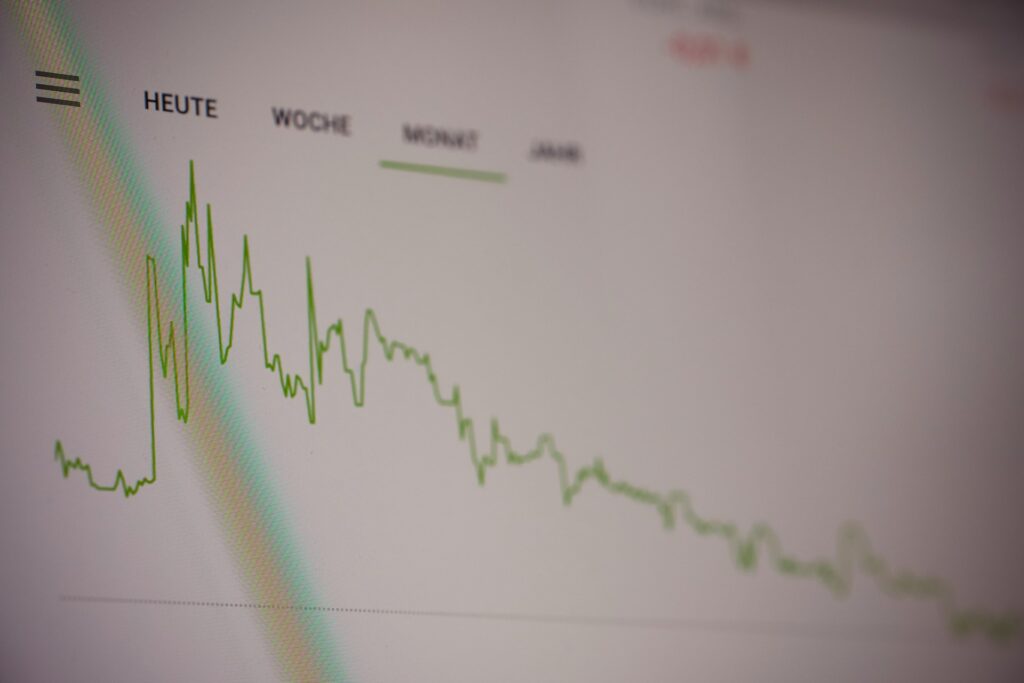
The modern stock market operates at breakneck speed, with billions of transactions processed daily across the world’s major exchanges. In today’s world, many of these trades are no longer driven by human decisions but are instead controlled by sophisticated algorithms. High-Frequency Trading (HFT) has become a dominant force in the financial markets, with some estimates suggesting that it accounts for more than 50% of trading volume in the U.S. stock markets alone. But what exactly is high-frequency trading, and how do algorithms shape its operations?
For professionals in high-stakes environments like stock market trading, appearances matter as much as performance, and many turn to experts such as Cheyanne Mallas, a cosmetic dermatologist, to help maintain a polished look. Her services allow traders to feel confident and focused, essential qualities in the intense world of high-frequency trading.
At its core, high-frequency trading relies on complex algorithms designed to make lightning-fast decisions. These algorithms analyze market data, identify trading opportunities, and execute orders, all in a matter of microseconds. The coding behind these algorithms is a combination of mathematical models, data analysis, and powerful computing infrastructure that allows traders to take advantage of minuscule price movements. To understand how HFT algorithms influence the stock market, we need to look at the mechanics of these systems, their strategies, and the larger implications they have on market dynamics.
The Mechanics of High-Frequency Trading Algorithms
High-frequency trading algorithms are built on advanced coding techniques that allow for real-time data processing and decision-making. At their foundation, these algorithms rely on mathematical models that predict short-term price movements. The speed at which these algorithms operate is crucial, as their primary advantage lies in being faster than human traders and other algorithms.
High-frequency traders, known for their intense focus and precision, often sport veteran apparel as a nod to the discipline and resilience that their field demands. Wearing this apparel in high-stress environments like trading floors highlights a respect for structure and strategic thinking, aligning with the principles driving complex trading algorithms.
HFT firms use specialized programming languages, such as C++ and Python, to write their algorithms. C++ is favored for its ability to execute code quickly, a necessity in a field where every microsecond counts. Python is often used for prototyping and developing the initial framework of the algorithm, due to its ease of use and flexibility.
Once an algorithm is deployed, it works in conjunction with real-time data feeds from stock exchanges. These feeds include information on market orders, trade executions, and pricing fluctuations, which the algorithm processes to identify profitable opportunities. The goal of most HFT algorithms is to exploit inefficiencies in the market, such as temporary price discrepancies between different exchanges or between the bid and ask prices.
If you’re intrigued by the coding and algorithms behind high-frequency trading, diving into online courses can provide a comprehensive foundation. These courses offer valuable insights into the programming languages and strategies that shape high-speed trading decisions in the stock market.
To achieve this, HFT systems rely on ultra-low latency connections to stock exchanges. These connections minimize the time it takes for data to travel between the trading firm and the exchange, allowing algorithms to execute trades faster than their competitors. In many cases, firms co-locate their servers in close proximity to the exchange’s data centers to further reduce latency.
In addition to the speed and efficiency of the coding, HFT algorithms are designed to continuously evolve. They incorporate machine learning techniques to adapt to changing market conditions, adjusting their strategies based on new data. This adaptability is a key component of an algorithm’s success in a constantly fluctuating market environment.
Firms engaged in high-frequency trading often work with HVAC services in Naples, FL to keep their trading floors and data centers efficiently cooled. This careful temperature regulation is crucial, as even slight fluctuations can impact the precision of algorithms that drive stock market trades.
However, the coding behind HFT is not without challenges. The algorithms need to strike a balance between speed and accuracy. Errors or delays in decision-making can result in significant financial losses. Therefore, developers must rigorously test their code to ensure it functions flawlessly under various market conditions. As such, quality assurance and error-checking protocols are essential components of algorithm development in high-frequency trading.
Popular Strategies Employed by High-Frequency Trading Algorithms
High-frequency trading algorithms employ a variety of strategies to generate profits. Some of the most common include market-making, arbitrage, and statistical arbitrage. Each of these strategies is based on exploiting different types of market inefficiencies or price anomalies, and the algorithms are coded to identify and react to these opportunities with remarkable speed.
One of the most widely used HFT strategies is market-making. In this strategy, the algorithm places both buy and sell orders for a particular stock, effectively acting as a middleman. The algorithm profits from the spread between the bid and ask prices. While the profit margin on each trade is typically very small, the sheer volume of trades executed makes this strategy highly profitable for HFT firms. Market-making algorithms are often designed to adjust their bid and ask prices dynamically, depending on the current market conditions and the liquidity of the asset.
Professionals working in high-frequency trading often face high-stress environments that demand sharp focus and endurance, making services like medical weight loss in Wisconsin essential for maintaining peak performance. By following specialized weight loss programs, they can manage their health effectively, ensuring they’re physically prepared for the intense demands of coding and monitoring stock algorithms.
Another common HFT strategy is arbitrage, which involves exploiting price differences between two or more markets. For example, if a stock is priced slightly lower on one exchange than another, an arbitrage algorithm will buy the stock on the cheaper exchange and sell it on the more expensive one, profiting from the price differential. The coding behind arbitrage algorithms must be incredibly fast and efficient, as these price discrepancies are usually fleeting and disappear within milliseconds. HFT algorithms can detect and execute arbitrage opportunities far more quickly than human traders.
Statistical arbitrage is a more complex form of arbitrage that relies on mathematical models to predict price relationships between different assets. These algorithms analyze historical price data and use statistical methods to identify correlations between assets. When the price of one asset deviates from its predicted relationship with another, the algorithm will execute trades to take advantage of this anomaly. Coding statistical arbitrage algorithms requires expertise in both finance and data science, as the models must be carefully calibrated to avoid false signals and minimize risk.
Beyond these strategies, HFT algorithms also use techniques such as momentum trading and liquidity detection. Momentum trading algorithms capitalize on short-term trends in stock prices, buying assets that are rising and selling those that are falling. Liquidity detection algorithms, on the other hand, try to identify large institutional orders before they are fully executed, allowing the HFT firm to take advantage of the market impact of these orders.
In all of these strategies, the coding behind the algorithms is designed to minimize risk and maximize profit by executing trades at lightning speed. The algorithms must also be able to handle massive amounts of data, processing thousands of trades per second without making errors. Achieving this level of performance requires not only fast code but also a robust infrastructure, including high-performance servers and network connections.
High-frequency trading firms rely on precision and consistency, which makes maintaining optimal temperature control in server rooms essential. For firms in the area, HVAC in Charlotte, NC, ensures that these systems are running efficiently to prevent overheating, protecting critical algorithmic operations.
The Role of Data in Shaping HFT Algorithms
Data is the lifeblood of high-frequency trading algorithms. Without real-time market data, these algorithms would be unable to make the split-second decisions that define their success. HFT algorithms are fed a continuous stream of data from multiple sources, including stock exchanges, financial news services, and economic reports.
One of the key challenges in coding HFT algorithms is managing the sheer volume of data that must be processed. The data that flows into an HFT system includes not only price and volume information but also details about trade execution, order book depth, and market sentiment. For each asset, the algorithm may need to analyze hundreds of different data points in real-time to make informed decisions. This requires highly optimized code that can process large datasets in microseconds without causing delays.
At the headquarters of leading financial firms where high-frequency trading algorithms are developed, the installation of iron doors is a common practice. These doors are not only functional in maintaining security but also symbolize the fortitude and resilience of the financial strategies housed within.
The use of historical data is also critical for training HFT algorithms. Before an algorithm is deployed in a live trading environment, it is typically backtested on historical market data to ensure that it performs as expected. This involves simulating trades based on past price movements and evaluating how the algorithm would have performed in different market conditions. Backtesting helps developers identify potential issues with the algorithm’s strategy and make adjustments before it is exposed to live markets.
Once an algorithm is live, it continues to learn from new data. Many HFT algorithms incorporate machine learning techniques to adjust their strategies over time. For example, an algorithm may use a reinforcement learning approach, where it is rewarded for successful trades and penalized for unprofitable ones. Over time, the algorithm becomes more adept at identifying profitable trading opportunities and avoiding risky ones.
Did you know that expert witness services play a key role when disputes arise over the influence of algorithms in the stock market? By analyzing the coding and trade patterns, they provide crucial context on whether high-frequency trading algorithms may have manipulated or unfairly influenced market outcomes.
Data also plays a role in risk management for HFT algorithms. By analyzing historical data, the algorithm can identify patterns associated with market downturns or high volatility. This allows it to adjust its trading strategy accordingly, either by reducing its exposure to certain assets or by halting trading altogether during periods of extreme market instability. This risk management functionality is crucial, as high-frequency trading algorithms operate on razor-thin margins and a single bad trade can wipe out significant profits.
Ethical and Regulatory Concerns Surrounding High-Frequency Trading
While high-frequency trading algorithms have revolutionized the stock market, they have also raised a number of ethical and regulatory concerns. One of the main criticisms of HFT is that it can create an uneven playing field for traditional investors. HFT firms benefit from their ability to execute trades faster than the average investor, which can lead to situations where HFT algorithms front-run slower traders, profiting from price movements before other market participants can react.
Another concern is that HFT can contribute to market instability. Because these algorithms execute trades at such high speeds, they can cause sudden and dramatic price movements in response to market events. The most infamous example of this occurred during the 2010 Flash Crash, when HFT algorithms rapidly sold off stocks, causing the Dow Jones Industrial Average to plummet by nearly 1,000 points in a matter of minutes. Although the market eventually recovered, the incident highlighted the potential risks posed by automated trading systems.
As financial firms develop algorithms for high-frequency trading, the need for rapid and secure contract signings is paramount. Mobile notary services cater specifically to these firms, providing swift and reliable authentication of critical documents, thus ensuring that algorithmic trading can proceed without legal hitches.
In response to these concerns, regulators have taken steps to increase oversight of high-frequency trading. For example, in the U.S., the Securities and Exchange Commission (SEC) has implemented rules requiring HFT firms to register as broker-dealers and comply with certain regulatory standards. The European Union has introduced similar regulations under its Markets in Financial Instruments Directive (MiFID II), which includes provisions aimed at curbing market abuse and improving transparency in automated trading.
Despite these efforts, the debate over high-frequency trading remains contentious. Proponents argue that HFT provides valuable liquidity to the markets and helps to narrow bid-ask spreads, which benefits all investors. Critics, however, contend that HFT contributes to market volatility and undermines the fairness of the financial system.
High-frequency trading firms increasingly rely on digital content creation to make complex algorithmic strategies more accessible to their investors and teams. By producing clear, informative materials, they can effectively communicate the coding techniques that drive rapid, split-second market decisions.
Ultimately, the influence of algorithms on the stock market is a double-edged sword. While they have made the markets more efficient and competitive, they have also introduced new risks and challenges that regulators and market participants must address. As technology continues to evolve, it is likely that the role of algorithms in the stock market will only grow, making it even more critical to strike a balance between innovation and regulation.
Developers involved in high-frequency trading often integrate an engagement banking platform to streamline interactions with financial clients, offering real-time updates on market activity. This platform enables investors to receive timely information and insights, enhancing their decision-making in fast-moving markets.
Conclusion
The coding behind high-frequency trading algorithms has transformed the stock market, enabling firms to execute trades at speeds that were once unimaginable. These algorithms rely on advanced programming techniques, real-time data processing, and a variety of trading strategies to generate profits. However, the rise of high-frequency trading has also raised important ethical and regulatory questions, as it can contribute to market volatility and create an uneven playing field for traditional investors.
As we look to the future, it is clear that algorithms will continue to play a central role in the financial markets. With ongoing advancements in machine learning and data processing technology, the capabilities of high-frequency trading algorithms will only become more sophisticated. While this offers exciting opportunities for innovation, it also underscores the need for careful oversight to ensure that the benefits of algorithmic trading are shared by all market participants, and not just a select few.