The Great Migration: Exploring the Wonders of Kenya and Tanzania’s Most Iconic Wildlife Event
 Lester Ortiz
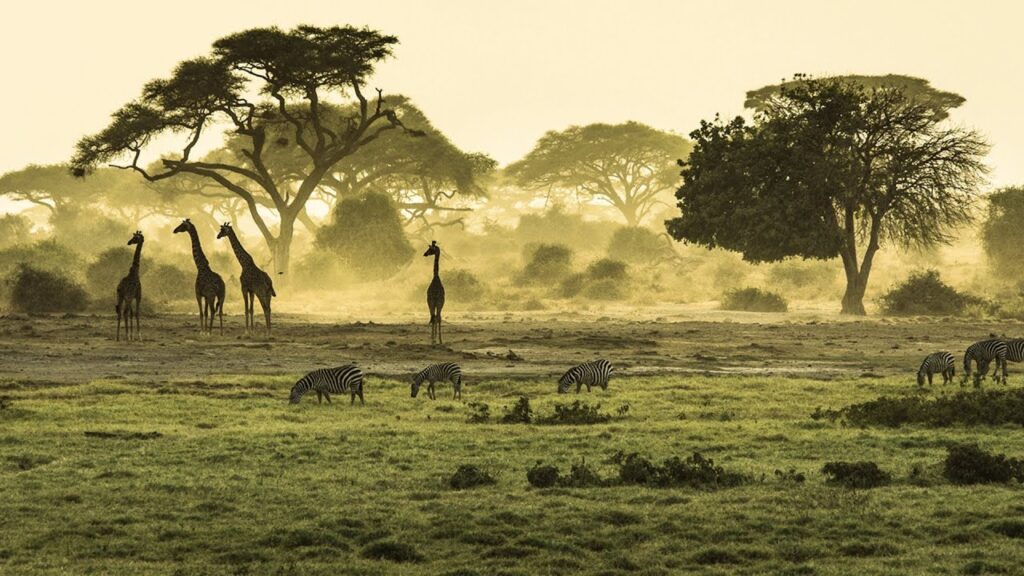
The Great Migration is often hailed as one of the most breathtaking spectacles of the natural world. Each year, over two million wildebeests, zebras, and gazelles journey through the Serengeti-Maasai Mara ecosystem, navigating treacherous terrain and predator-filled landscapes in search of fresh grazing grounds. This annual migration, spanning both Kenya and Tanzania, draws thousands of wildlife enthusiasts eager to witness the thrilling drama unfold and to experience all that luxury safari in Tanzania. From dramatic river crossings to predator-prey encounters, the Great Migration is a must-see event for nature lovers and adventure seekers.
Witnessing the River Crossings: The Pinnacle of the Migration
One of the most iconic and adrenaline-pumping moments of the Great Migration is the Mara River crossing. Located in the northern Serengeti and extending into Kenya’s Maasai Mara, the Mara River presents a formidable obstacle for the migrating herds. Wildebeests and zebras gather along its banks, waiting for the right moment to plunge into the crocodile-infested waters. The anticipation builds as the first brave animal takes the leap, triggering a chaotic scramble as thousands follow suit.
The spectacle is awe-inspiring but also harrowing. Many animals perish in the strong currents or fall prey to the Nile crocodiles that lurk below the surface. For wildlife photographers and safari-goers, witnessing a river crossing is a heart-stopping experience that encapsulates the raw power and intensity of the natural world. The best time to see these crossings is typically from July to October when the herds move northward into the Maasai Mara.
Predators on the Prowl: Lions, Leopards, and More
The Great Migration is not just about the herds—it’s also a time of feasting for East Africa’s top predators. Lions, leopards, cheetahs, and hyenas all take advantage of the abundance of prey, creating a dynamic and dramatic atmosphere. The Serengeti and Maasai Mara are known for their high density of predators, and during the migration, the chances of witnessing a thrilling hunt or chase are exceptionally high.
Lions, with their strength and coordinated hunting strategies, often target wildebeests, while cheetahs rely on their speed to single out smaller gazelles. Leopards, on the other hand, are stealthy stalkers who prefer ambush-style attacks from trees or thick underbrush. Hyenas and jackals scavenge and chase down the stragglers, making for a complex web of predator-prey interactions. The sheer abundance of wildlife and dramatic encounters during this period make the Great Migration a prime destination for wildlife enthusiasts.
Planning Your Safari: When and Where to Go
Planning a safari to witness the Great Migration requires some careful timing and research. While the exact timing can vary based on rainfall patterns, the migration typically starts in Tanzania’s southern Serengeti between December and March, when the herds gather for calving season. This is a unique opportunity to see newborn wildebeests taking their first steps and to observe predators in action as they target vulnerable calves.
From June to July, the herds move toward the western Serengeti, where they must cross the Grumeti River, another perilous obstacle. The real highlight, however, comes between July and October, when the herds tackle the Mara River and spread across Kenya’s Maasai Mara. During this time, visitors can enjoy prime game-viewing opportunities and stay in some of East Africa’s most luxurious safari lodges.
The Great Migration is a true natural wonder that should be on every wildlife lover’s bucket list. With its dramatic river crossings, predator-prey interactions, and endless herds stretching to the horizon, it’s a spectacle that encapsulates the essence of East Africa’s untamed beauty.