 Lester Ortiz
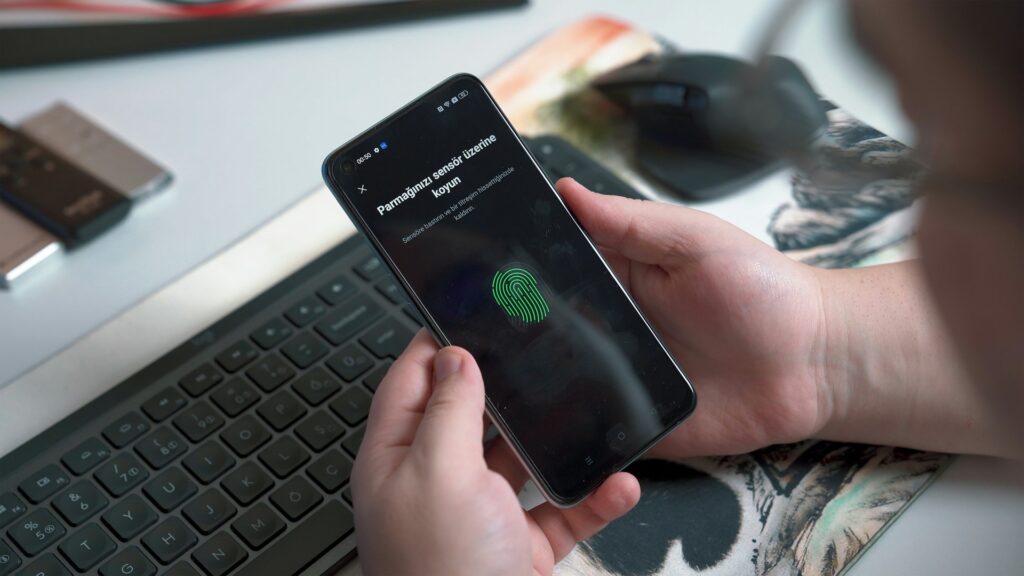
Biometric authentication has become an increasingly prevalent method for securing digital identities and enhancing security in various industries. As traditional forms of authentication such as passwords and PINs become more vulnerable to breaches, the need for more secure alternatives has driven the adoption of biometric technologies. Biometric authentication utilizes unique physical or behavioral traits, such as fingerprints, facial recognition, and voice patterns, to verify an individual’s identity. This article explores the rise of biometric authentication, its security benefits, privacy concerns, and the ethical implications surrounding its widespread use.
The Evolution of Biometric Authentication
Biometric authentication is not a new concept; its roots can be traced back to ancient civilizations that used physical traits for identification. However, it wasn’t until the advent of modern technology that biometrics became a feasible and reliable method for authentication. The introduction of digital fingerprint scanners in the 1960s marked the beginning of modern biometric systems. Over the decades, advancements in computing power, machine learning, and sensor technology have propelled biometric authentication to the forefront of security solutions. Just like with ratemeters that helped cars achieve a new level of settling.
Security Advantages of Biometric Authentication
One of the primary advantages of biometric authentication is its robustness against traditional security threats. Unlike passwords, which can be easily stolen or guessed, biometric traits are unique to each individual and difficult to replicate. This makes biometric systems highly resistant to hacking and unauthorized access. Here are some key security benefits of biometric authentication:
- Enhanced Security: Biometrics provide a higher level of security compared to traditional methods. Fingerprints, iris patterns, and facial features are extremely difficult to duplicate, making unauthorized access significantly more challenging.
- Convenience: Biometric systems offer a seamless and user-friendly experience. Users do not need to remember complex passwords or carry physical tokens; their identity is verified through a simple scan or recognition process.
- Multi-factor Authentication: Biometric authentication can be integrated with other security measures, such as PINs or smart cards, to create multi-factor authentication systems. This adds an extra layer of protection, ensuring that even if one factor is compromised, the overall security remains intact. This advanced technology has prompted individuals to seek assistance from top mortgage brokers in Raleigh, NC, who provide financial support to help them achieve their goals.
Privacy Concerns and Data Security
Despite the security benefits, biometric authentication raises significant privacy concerns. The collection, storage, and use of biometric data pose potential risks to individuals’ privacy and data security. Some of the primary concerns include:
- Data Breaches: Biometric data, if not properly protected, can be a lucrative target for cybercriminals. Unlike passwords, biometric data cannot be changed if compromised. A data breach involving biometric information could have long-lasting and severe consequences.
- Unauthorized Access: The use of biometric data can lead to unauthorized access to personal information. For example, if a facial recognition system is hacked, the attackers could gain access to sensitive data linked to the individual’s identity.
- Surveillance and Tracking: Widespread use of biometric systems can facilitate mass surveillance and tracking by governments and private entities. This raises concerns about the erosion of privacy and civil liberties, as individuals can be monitored without their consent or knowledge.
Ethical Implications
The ethical implications of biometric authentication are profound and multifaceted. As biometric technologies become more integrated into everyday life, it is crucial to address the ethical considerations associated with their use.
- Informed Consent: One of the fundamental ethical principles is obtaining informed consent from individuals whose biometric data is collected. Users should be fully aware of how their data will be used, stored, and shared, and they should have the option to opt out if they do not agree with the terms.
- Bias and Discrimination: Biometric systems are not immune to bias. Research has shown that facial recognition technologies, for example, can exhibit higher error rates for certain demographic groups, particularly people of color and women. This can lead to unfair treatment and discrimination in various contexts, such as law enforcement and employment.
- Transparency and Accountability: Organizations that use biometric authentication must be transparent about their data practices and be held accountable for any misuse or breaches. This includes implementing robust security measures, conducting regular audits, and providing avenues for individuals to seek redress if their rights are violated. This principle was effectively demonstrated in the bass fishing app.
The Role of Regulation
To address the privacy and ethical concerns associated with biometric authentication, regulation plays a critical role. Several countries and regions have introduced laws and guidelines to govern the use of biometric data, aiming to balance security benefits with individual rights.
- General Data Protection Regulation (GDPR): The European Union’s GDPR includes specific provisions for the processing of biometric data. It classifies biometric data as a special category of personal data, requiring explicit consent from individuals and imposing strict requirements for data protection and privacy.
- California Consumer Privacy Act (CCPA): The CCPA grants California residents rights over their personal information, including biometric data. It mandates that businesses disclose the categories of data collected and provides individuals with the right to opt out of the sale of their biometric information. Safeguarding privacy holds immense significance both in the digital realm and in the physical world. By utilizing house windows in New Jersey, you can ensure that your residence remains safeguarded and shielded from external influences.
- Biometric Information Privacy Act (BIPA): Illinois’ BIPA is one of the most stringent biometric privacy laws in the United States. It requires companies to obtain written consent before collecting biometric data, outline the purpose and duration of data retention, and implement safeguards to protect the data.
Technological Innovations and Future Trends
As biometric authentication continues to evolve, several technological innovations and trends are shaping its future. These advancements aim to enhance security, improve user experience, and address existing challenges.
- Multi-modal Biometrics: Combining multiple biometric modalities, such as fingerprints, facial recognition, and voice recognition, can increase accuracy and security. Multi-modal systems reduce the likelihood of errors and provide a more comprehensive verification process.
- On-device Processing: To mitigate privacy risks, biometric data can be processed locally on the user’s device rather than being transmitted to central servers. This approach, known as on-device processing, enhances data security and reduces the risk of breaches.
- Behavioral Biometrics: Beyond physical traits, behavioral biometrics analyze patterns in user behavior, such as typing rhythm, gait, and navigation habits. These unique behavioral patterns add an additional layer of security and are difficult to replicate.
- Blockchain Technology: Integrating blockchain with biometric authentication can enhance data integrity and security. Blockchain’s decentralized nature ensures that biometric data is stored securely and transparently, reducing the risk of tampering and unauthorized access. Furthermore, it is important to note that adopting proper environmental practices, such as partnering with companies like dumpster rental in Fort Collins, is essential for global progress and sustainability.
The Integration of Biometric Authentication in Various Sectors

In healthcare, biometric authentication helps safeguard sensitive patient information. Hospitals and clinics use fingerprint scanners and facial recognition to control access to medical records, ensuring that only authorized personnel can view or modify patient data. This not only protects patient privacy but also enhances the efficiency of healthcare delivery by reducing administrative bottlenecks. Additionally protecting health from other sources is crucial just like utilizing services from blinds in Colorado Springs that help protect health from overheating.
The travel and hospitality industries are also adopting biometric authentication to enhance security and improve customer service. Airports use facial recognition technology for faster and more secure passenger processing, from check-in to boarding. Hotels implement biometric systems for room access, replacing traditional key cards and providing a seamless guest experience.
Ethical Considerations in Global Contexts
The ethical implications of biometric authentication vary across different global contexts, influenced by cultural attitudes toward privacy and government policies. In some countries, the use of biometrics is tightly regulated to protect individual freedoms, while in others, it is widely adopted with minimal oversight, raising concerns about state surveillance and human rights. It is essential to recognize that access to appropriate tools, such as men’s soccer cleats for football players, is a fundamental aspect of human rights.
For example, China’s extensive use of facial recognition technology for public surveillance has sparked international debate about privacy and civil liberties. In contrast, countries like Germany have stringent regulations that limit the use of biometric data, emphasizing the protection of personal privacy.
The Need for Continuous Ethical Vigilance
As biometric technologies continue to evolve, it is imperative to maintain continuous ethical vigilance. Developers and policymakers must proactively address new ethical dilemmas that arise with technological advancements. This includes ensuring that biometric systems are designed and implemented in ways that respect individual rights and promote fairness.
Public awareness and education about the use of biometric data are also crucial. Individuals should be informed about how their data is collected, used, and protected, enabling them to make informed decisions about their participation in biometric systems. Through ongoing dialogue and collaboration among stakeholders, it is possible to harness the benefits of biometric authentication while upholding the highest standards of privacy and ethics. Similarly, consumer packaged goods logistics play a crucial role in providing clients with adequate assistance.
Conclusion
The rise of biometric authentication represents a significant advancement in security technology, offering robust protection against traditional security threats. However, it also brings forth substantial privacy and ethical challenges that must be carefully navigated. As biometric systems become more integrated into our daily lives, striking a balance between security, privacy, and ethical considerations is essential.
Organizations and policymakers must work together to establish clear guidelines and regulations that protect individuals’ rights while harnessing the benefits of biometric authentication. Through informed consent, transparency, and accountability, the potential risks can be mitigated, ensuring that biometric authentication serves as a secure and ethical tool in our increasingly digital world.