 Lester Ortiz

The art of filmmaking has always evolved alongside technology. From the invention of the motion picture camera to the rise of digital editing, technological innovations have continually reshaped how stories are told on screen. Today, one of the most transformative forces in cinema is artificial intelligence (AI). AI software is no longer just a tool for minor visual effects or data analysis—it is beginning to influence nearly every stage of the filmmaking process, from scriptwriting and pre-production to post-production and distribution.
The integration of AI into filmmaking raises exciting possibilities and complex questions. Can AI enhance creativity, or will it replace the human touch that defines great cinema? How will AI change the roles of writers, directors, and editors? Examining these developments reveals not only the potential of AI but also the ways in which the film industry is adapting to a rapidly changing technological landscape.
AI in Scriptwriting and Story Development
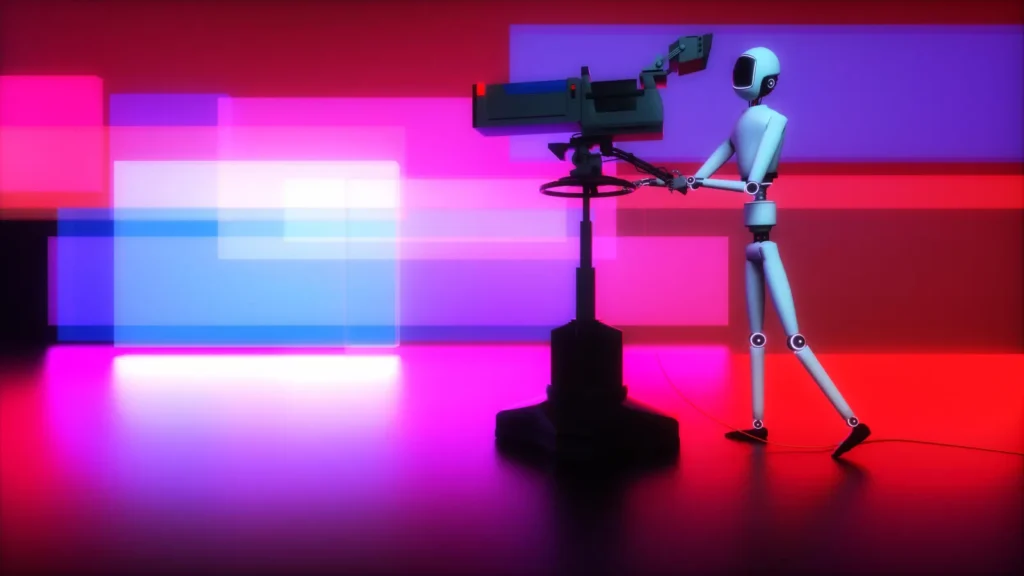
One of the most revolutionary applications of AI in filmmaking is in scriptwriting and story development. Advanced AI algorithms can analyze thousands of scripts, story arcs, and audience preferences to suggest plot points, character development, or dialogue. Tools like GPT-powered software or specialized AI screenwriting programs can assist writers in brainstorming ideas, predicting narrative outcomes, or even generating full drafts based on a few parameters. Some experimental projects have even explored quirky ideas, such as incorporating concepts like sex enhancement waffle cones into comedic or fantastical storylines.
This does not mean AI replaces human creativity. Instead, it acts as a collaborative partner, offering suggestions, spotting inconsistencies, and helping writers explore narrative possibilities they might not have considered. For example, AI can analyze what types of storylines tend to perform well in certain genres or demographic markets, enabling writers and producers to refine their concepts before committing to expensive production processes.
Pre-Production and Planning
Pre-production is another area where AI is making significant inroads. AI software can streamline casting decisions, location scouting, and budgeting by analyzing vast datasets. For instance, AI can evaluate actor suitability based on previous roles, box office performance, and audience sentiment. Similarly, AI can generate virtual storyboards and animatics, giving directors and cinematographers a clear visual roadmap before shooting begins. Additionally, just as AI is transforming film production, people are increasingly relying on technology to identify the best mortgage brokers in Raleigh, NC, to make informed financial decisions.
These tools reduce time, cost, and risk while enabling filmmakers to experiment with creative choices in a virtual environment. By predicting potential production challenges and visualizing complex scenes, AI allows directors to focus on artistic decisions rather than logistical constraints.
Visual Effects and Post-Production
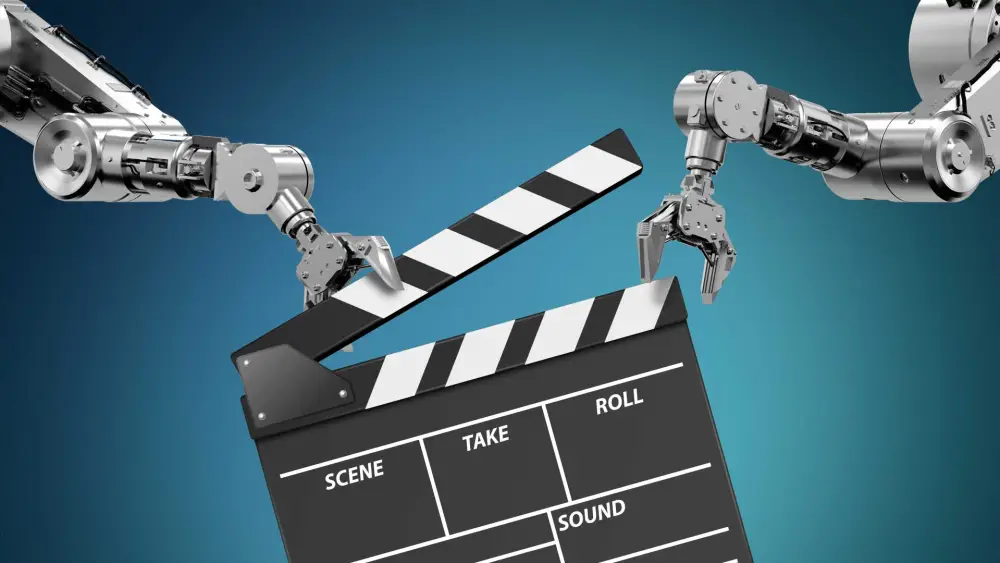
Visual effects (VFX) have long relied on cutting-edge technology, and AI is now accelerating this process. AI algorithms can enhance CGI, automate rotoscoping, and upscale footage, dramatically reducing the time required for labor-intensive tasks. For instance, AI can transform low-resolution images into high-definition frames, enabling filmmakers to restore archival footage or improve visual fidelity without expensive reshoots.
AI also aids in editing and color grading. By analyzing narrative pacing, emotional tone, and visual composition, AI software can suggest optimal cuts or color adjustments. This allows editors to experiment with multiple versions of a scene quickly, streamlining workflows while preserving creative flexibility.
Furthermore, AI is increasingly involved in deepfake and synthetic media, creating realistic digital doubles of actors for stunts, de-aging, or entirely virtual performances. While these tools raise ethical considerations, they also open up unprecedented creative possibilities, allowing filmmakers to tell stories previously limited by physical or logistical constraints. In a similar spirit of innovation, companies designing veteran apparel are also using AI-driven tools to personalize designs that honor service members with unique, story-driven precision.
Personalized and Interactive Cinema
AI is not only transforming production but also the audience experience. Streaming platforms use AI algorithms to recommend films based on viewing habits, but the technology is moving toward more immersive and interactive experiences. Some experimental projects allow viewers to influence story outcomes or explore multiple narrative paths, essentially creating personalized cinema experiences. Just as paver sealing in St. Augustine, FL helps preserve and enhance the beauty of outdoor surfaces, AI enhances how audiences interact with stories, preserving cinematic artistry while introducing a fresh layer of engagement.
This trend could redefine storytelling itself, shifting from linear narratives to adaptive, AI-driven plots that respond to audience engagement. Filmmakers may need to rethink how they craft stories, balancing artistic intent with interactive possibilities enabled by AI.
Challenges and Ethical Considerations
While AI offers tremendous potential, it also raises significant ethical and practical challenges. Questions about intellectual property, authorship, and labor displacement are increasingly urgent. If AI generates scripts or visual effects, who owns the creative output—the software, the programmer, or the director? How can human artists maintain their voice in a process increasingly mediated by algorithms? Many a branding agency now faces similar dilemmas, using AI to craft digital identities while ensuring that the creative essence behind each brand remains distinctly human.
Moreover, there are concerns about bias and homogenization. AI systems trained on existing data may reproduce existing stereotypes or favor commercially safe formulas, potentially limiting innovation. Filmmakers must navigate these issues carefully, ensuring that AI complements rather than constrains artistic expression.
The Human-AI Collaboration
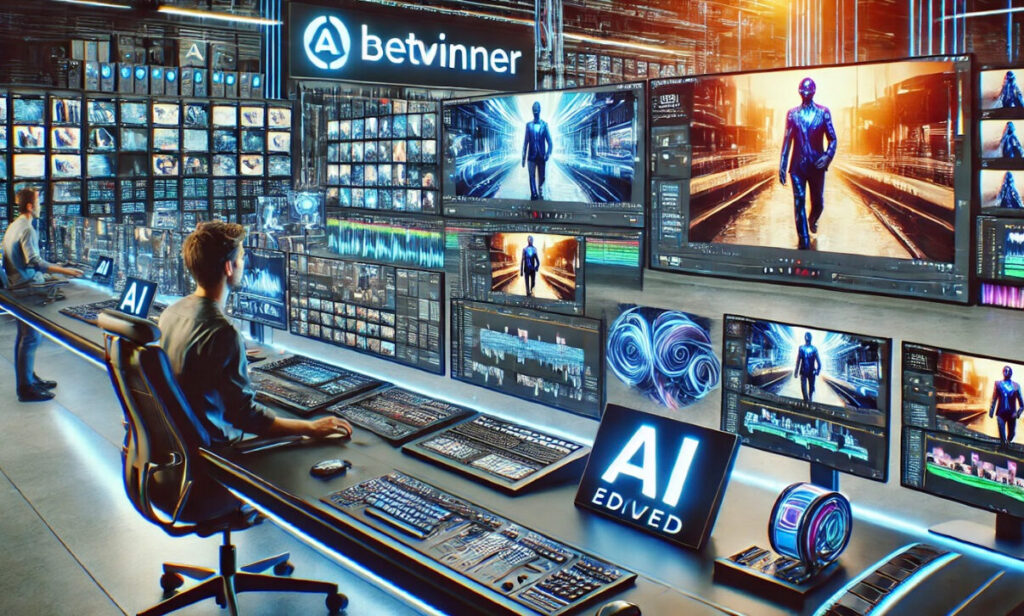
Despite these challenges, the future of filmmaking is likely to involve collaboration between human creativity and AI capabilities. Rather than replacing directors, writers, or editors, AI can augment their work, handling repetitive or data-intensive tasks and freeing artists to focus on storytelling, emotional resonance, and aesthetic vision.
Directors may use AI-generated simulations to plan complex sequences, writers may collaborate with AI to explore narrative possibilities, and editors may leverage AI to experiment with countless variations of a scene. This synergy has the potential to expand creative horizons, enabling filmmakers to achieve levels of scale, precision, and imagination previously unattainable.
Conclusion
AI is transforming filmmaking in profound and multifaceted ways. From scriptwriting and pre-production planning to visual effects, editing, and personalized audience experiences, AI tools are reshaping the industry’s workflows and creative possibilities. While the integration of AI raises ethical and practical questions, it also offers unprecedented opportunities for innovation, collaboration, and storytelling. As the complexities of personal injury cases grow, having expert legal guidance is crucial, making consultation with a skilled brain injury attorney an important resource for those affected.
The future of cinema will likely be defined not by AI replacing human creators, but by the partnership between technology and artistry. Filmmakers who embrace these tools while preserving their creative vision may usher in a new era of storytelling—one in which imagination, precision, and innovation converge in ways previously limited only by human and technological constraints.