 Lester Ortiz

The 1999 film The Matrix directed by the Wachowski siblings, was a groundbreaking sci-fi movie that changed the way audiences viewed virtual reality, artificial intelligence, and the relationship between the real world and a simulated one. One of the most iconic elements of the film is the green rain of characters that cascade down the screen. This mysterious code, often referred to as the “Matrix code,” has become synonymous with the film and its exploration of reality. But what exactly does this green digital rain mean? And why was it chosen as a key visual element in the film? In order to fully understand its significance, we must look deeper into the origins of the code, its visual impact, and the philosophical and technological concepts it symbolizes.
The Origins of the Green Code
The digital rain in The Matrix is one of the film’s most recognizable features, but it has more to it than just a visually appealing graphic. The code itself is an integral part of the film’s world-building, symbolizing the virtual reality that the characters interact with. The green, falling symbols represent the artificial environment known as the “Matrix” and the code that underlies its creation. The Wachowskis used this imagery to effectively convey the idea of a simulated universe, designed to mimic the real world while being entirely controlled by machines.
The creation of the code was a groundbreaking achievement in visual effects at the time. The filmmakers wanted the code to resemble something both familiar and alien to the audience. The iconic green color was chosen because it was associated with both technology and artificiality. The shade of green stands out against the otherwise dark tone of the film, creating a sense of otherworldliness while also evoking a sense of machine dominance.
The code itself was not arbitrarily designed. It was actually inspired by a combination of different elements. The characters that make up the digital rain were taken from a variety of sources, including Japanese kanji characters, numerical digits, and alphabetic symbols. The choice to incorporate kanji—the logographic characters used in the Japanese writing system—adds another layer of complexity to the digital rain. The kanji characters themselves can be interpreted as a symbol of complexity and foreignness, reinforcing the concept of an alternate, simulated reality.
This green rain of characters might seem to be nothing more than an abstract visual design at first glance, but it is a carefully crafted symbol of the digital world that characters like Neo interact with. The rain represents the structured code that forms the basis of the simulated reality of the Matrix. Just as a real computer system requires a code to function, so too does the Matrix, and it is this very code that controls the environment and everything within it.
The Visual Impact: Why Green?
The choice of the green color in the digital rain was not accidental. In film and television, color is often used to symbolize particular themes or ideas. Green has long been associated with technology, computing, and the idea of artificial worlds. It is also linked to notions of growth and change, which play into the overarching themes of the film, such as Neo’s journey toward self-discovery and transformation.
The green code contrasts sharply with the black background of the Matrix world, reinforcing the sense that this virtual universe is a construct, a system running beneath the surface of what we perceive as reality. The filmmakers deliberately chose green because it made the digital rain stand out from the other elements of the film, ensuring that it became an unforgettable visual representation of the artificial reality that the characters inhabited. One innovative example of modern digital systems transforming perception and decision-making is an equity calculator startup.
The Matrix code’s green hue also brings to mind early computer displays, which were often rendered in monochromatic green or amber due to the limitations of early computing technology. By evoking this imagery, the filmmakers tap into a sense of nostalgia for earlier digital technology while also presenting an evolution of that world. The green color simultaneously signals computational power, control, and unreality, reinforcing the overarching theme of a world governed by machines and algorithms.
The digital rain thus becomes a visual manifestation of the Matrix itself. The falling code represents the unyielding flow of information that constructs the artificial world and sustains its simulation. Every line, every character that falls from the top of the screen signifies the underlying structure of the Matrix, a constantly running, ever-present force in the background of everything that happens within the simulation. If you’re looking for reliable and efficient help with large-scale property clear-outs, consider estate cleanout in Seattle.
A Glimpse Into the Machine World: The Code and the Matrix’s Structure
In The Matrix, the characters’ world is not real—it’s an intricate simulation created by machines to keep humanity subdued. The green code, as depicted in the film, is a direct representation of the algorithmic structure that powers the simulation. Just as a computer runs on lines of code that dictate the way it operates, the Matrix is built upon a highly complex system of algorithms and data that generates the physical world, creating a simulated reality.
The Matrix itself can be thought of as a vast, self-sustaining program, constantly running on a loop. The green rain represents the data flow that is continuously processed and interpreted by the system to simulate reality. Every event, every object, and even every character in the Matrix is determined by the underlying code. For instance, when Neo and other characters make their way through the world, they do so as if they were navigating through a complex set of instructions. The green code serves as the foundation of the simulated world, giving form and function to every part of it. In the same way, effective communication in the tech industry is often driven by the power of Tech PR.
This is where the Matrix code serves its greatest symbolic purpose. It represents control and determinism. As the protagonist Neo slowly begins to understand the nature of the Matrix, he realizes that everything in this simulated world is merely a product of data manipulation. The code is the puppet master, and the people and objects in the world are the puppets. This realization plays a major role in the central conflict of the film, as Neo’s ability to manipulate the code allows him to alter his reality and eventually transcend the Matrix.
The Philosophical Meaning of the Matrix Code
One of the most intriguing aspects of The Matrix is its deep philosophical underpinnings, and the green digital rain plays a significant role in conveying these themes. The concept of illusion versus reality is explored throughout the film, and the code acts as a metaphor for the artificial nature of the world we inhabit. The Matrix itself is a system of control, created by the machines to keep humans docile, living in a world that feels real but is, in fact, a fabricated illusion.
In this sense, the Matrix code mirrors the Platonic Allegory of the Cave, where prisoners are chained inside a cave, facing a wall and only able to see shadows. The prisoners believe these shadows are real, as they have never seen anything else. Similarly, in The Matrix, the human population believes the simulated world is reality, never suspecting that their lives are controlled by a powerful force outside their awareness.
The green code represents this false reality. As the characters begin to “wake up” from the Matrix, they become increasingly aware of the simulation and its true nature. Neo, as the chosen one, is the only one who can see beyond the code and perceive the reality underneath. The rain of characters symbolizes the revelation of the Matrix’s true nature—hidden beneath layers of illusion, the green code is the very structure that sustains and limits the characters’ existence.
The Legacy of the Matrix Code in Pop Culture
Since its debut in 1999, The Matrix has had a profound impact on popular culture. The iconic green rain has become synonymous with the franchise, often referenced or parodied in other films, TV shows, and media. The imagery of the green code has influenced everything from video games to advertising, with many creators drawing inspiration from the film’s unique visual style. For those looking to bring their own creative visions to life, a 3d landscape designer in Green Bay can help turn ideas into stunning reality.
The Matrix’s code has also inspired real-world discussions about virtual reality and artificial intelligence. As we move further into the digital age, concepts explored in the film, such as the manipulation of reality through technology and the role of data in shaping our perceptions, have become more relevant than ever. The green code’s symbolism, once purely fictional, now resonates with a growing concern about the role technology plays in shaping our lives and our understanding of the world.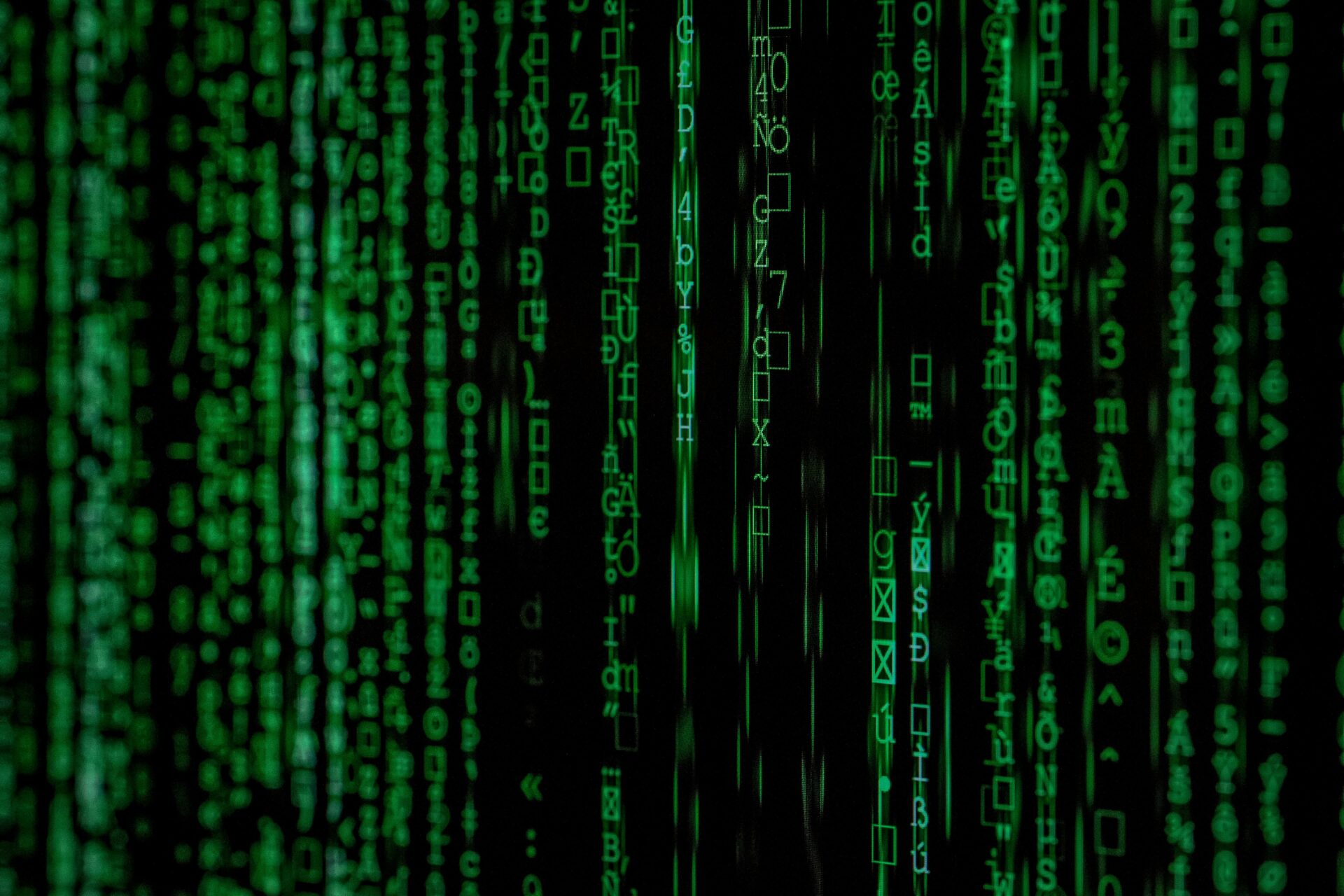
In conclusion, the green rain of code in The Matrix represents more than just a visual effect; it is a powerful symbol of control, illusion, and the complex nature of reality. By portraying the Matrix as a world governed by a vast system of code, the filmmakers created a visual shorthand for the idea that what we perceive as reality is often only a simulation—a reality controlled by forces beyond our comprehension. As the film’s protagonist Neo learns, understanding and manipulating the code is the key to unlocking freedom and breaking free from the confines of artificial reality. In doing so, the green code becomes a symbol of both oppression and liberation, an essential part of the story’s exploration of human agency and the nature of existence.